
Agricultural Company Website Development
A product catalog with seasonality, wholesale inquiries and quality documents. An agribusiness website that brings buyers, not random visitors.
Goals we set for the website
- ×2
- wholesale inquiries with the catalog
- 100%
- of quality documents online
- 4-7 weeks
- to the site's launch
Sound familiar?
Buyers can't find the company: no site, or a 2012 brochure without products or volumes
The price list lives in a manager's messenger: buyers have to beg for current prices and stock
Quality documents — declarations, certificates, inspection reports — get emailed one by one
Seasonality isn't reflected: the buyer can't tell what's available when and what to contract for
Agricultural Company Website Development
What's included
The catalog with seasonality
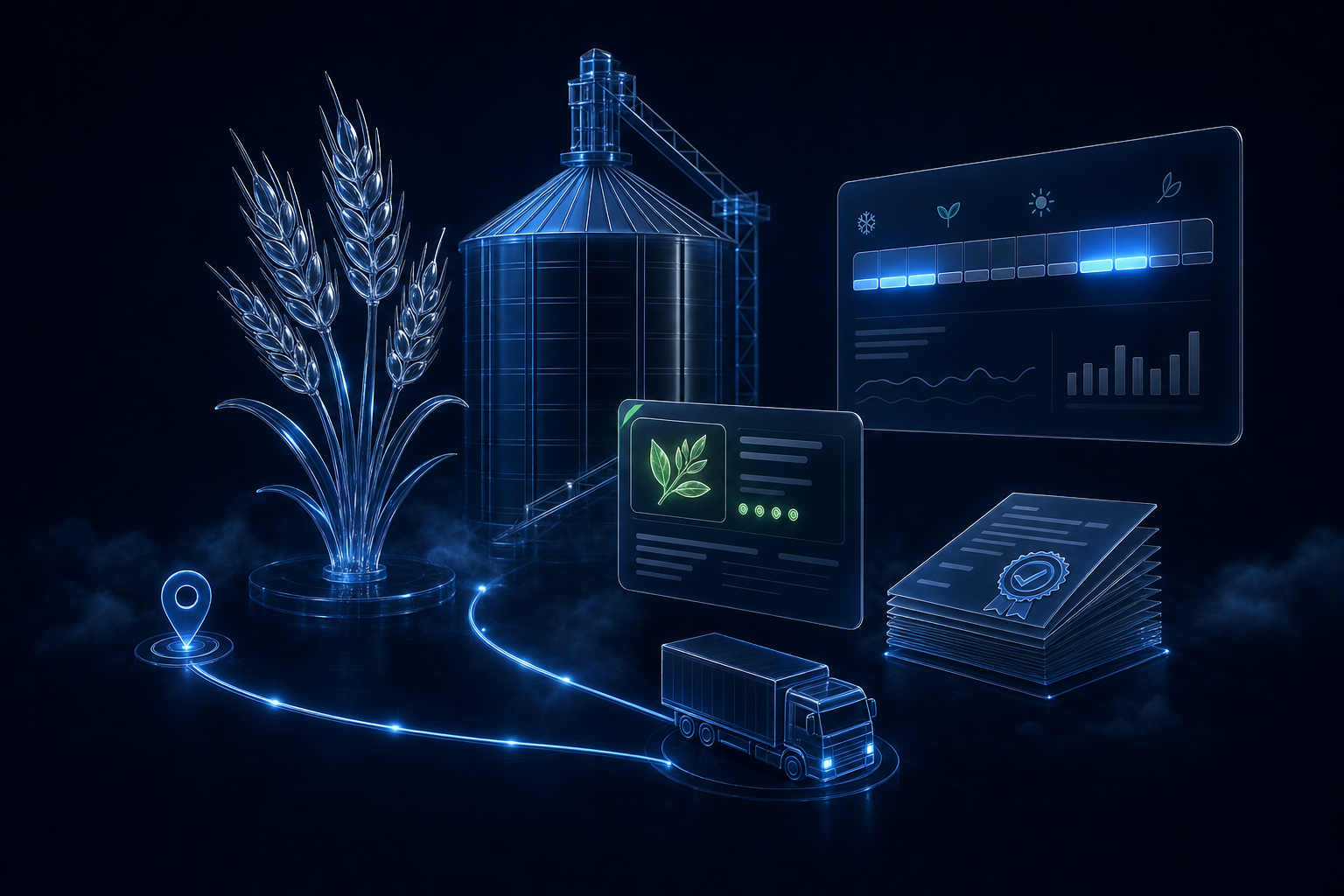
A crop card: varieties, grade standards, packaging, volumes and an availability calendar by month
Wholesale inquiries
The buyer's form: the volume, the delivery basis, the timeframe — the lead lands structured, not call-us-back
The document package
Conformity declarations, certificates, test reports — the buyer assembles the dossier alone
Logistics
Delivery points on a map, shipping terms, transport: the how-do-we-collect question closed before the call
The operation in person
Hectares, storage capacity, machinery, the team: the scale is visible and builds trust
Two languages
Local and English versions for export directions: one admin panel, two markets
How the project runs
How the project runs
- 1-3 days
Brief & estimate
We dig into the task and give a precise price and timeline
- 1-2 weeks
Prototype & design
Structure, mockups and visual sign-off
- 2-6 weeks
Development
Weekly sprint demos — progress is always visible
- 3-5 days
Launch & support
Testing, production deploy, 6-month warranty
Agribusiness sells in volumes — and gets searched for, like everyone, online
A chain buyer, a processor, a trader, an exporter — they all look for suppliers the way they look for everything else. They open a search. An agribusiness without a site, or with a 2012 brochure, doesn’t exist in that search, and its volumes leave through middlemen with their margin. A working agribusiness site is a catalog with seasonality, structured wholesale inquiries and quality documents as a package. The buyer arrives prepared, and negotiations start with the price, not what-do-you-have.
The catalog with seasonality: the buyer sees the goods and the calendar
A crop card answers the buyer’s questions before the call. Varieties and grade standards, packaging and volumes, moisture and class, where it’s stored. And agriculture’s key element — the availability calendar: what’s in stock now, what’s open for new-harvest contracting. In the agriholding director’s review, the catalog changed the negotiations’ quality: buyers arrive knowing the volumes and having seen the documents. The talk starts with substance.
The wholesale inquiry: a structured lead instead of call-us-back
A leave-your-phone form breeds empty calls. An agribusiness site’s wholesale inquiry collects the substance: the crop, the volume, the delivery basis, the timeframe, a comment. The manager gets a lead they can work at once and sees the priorities: a chain’s 500-ton request differs from a van-load one. In the farmer’s review, the very first season brought eleven structured requests, including two from chains. Without a cent of advertising — on the catalog and SEO alone.
Documents and trust: the dossier downloads itself
An agricultural purchase is a verified deal. Conformity declarations, certificates, test reports, veterinary documents — the buyer will request them anyway. The package on the site saves weeks of correspondence: in the commercial director’s review, sales stopped emailing certificates one letter at a time. Trust gets completed by the operation page: hectares, storage capacity, machinery, facilities. Scale shown honestly works for the negotiating position.
Logistics, export and the retail route
Delivery points on a map, shipping terms, pickup from storage — the how-do-we-collect question closes before the call. For the export direction we build an English version with incoterms and ports: one admin panel, two markets. For farms we add a farm-produce retail storefront as a separate route with a cart and payment. Then crop-and-region SEO and the B2B stack follow: the wholesale CRM and the books are our neighboring services, the cases are in the trio below.
Related case study


Client reviews
Client reviews
The catalog with seasonality changed the quality of inquiries. Buyers arrive prepared: they know the volumes, saw the calendar, downloaded the declarations. Negotiations start with the price and logistics, not what-do-you-even-have.
The document package on the site removed a whole layer of routine from sales. We used to email certificates to every buyer one letter at a time. Now the buyer downloads everything alone, and the managers work the deals.
I didn't seriously expect inquiries from the site, but the first season brought eleven wholesale requests, two from retail chains. The structured form gives the volume and terms upfront: it's clear who to talk to first.
Related solutions
Related solutions
Dental Clinic Website Development
Online booking, doctors, prices and credentials. A website patients trust before their first visit.
E-commerce Website Development
A fast catalog, payments, ERP and shipping sync. A store that works as a sales channel, not a showcase.
Auto Repair Shop Website Development
Online bay booking, prices by make and service pages. A website that books customers while the front desk is busy.
FAQ
FAQ about web development
01How much does an agribusiness website cost?
From $4,500, launched in 4-7 weeks. That covers the product catalog with seasonality, wholesale inquiries, the quality document package, supply geography and the operation page. The range depends on the number of categories and language versions. The quote follows a free briefing.
02Does an agribusiness need a site if sales run through traders and connections?
The site doesn't replace connections, it adds an inbound channel and removes the middleman margin where possible. Chain and processor buyers search for suppliers online like everyone. A company without a clear site doesn't exist for them. Plus the site works as a showcase for banks, grants and partners.
03Should prices be shown in the open?
Your call, and the modes can mix. Retail products in the open. Wholesale prices on request through the form or after buyer registration. Commodity crops with a volatile price as price-on-the-date-by-request. The site supports any scenario.
04What about the export direction?
We build an English version with adaptation: incoterms bases, export documents, shipping ports. One admin panel runs both versions. For exporters it's the cheapest way to look like a serious counterparty to a foreign buyer.
05Can a retail direction — farm produce — be added?
Yes, as a separate route. A retail storefront with a cart and payment lives beside the wholesale catalog without mixing. For farms it adds a second channel with a margin above wholesale. Online stores are our base service.
Let’s discuss your project
Free estimate and a proposed solution within one day.