
Restaurant Website Development
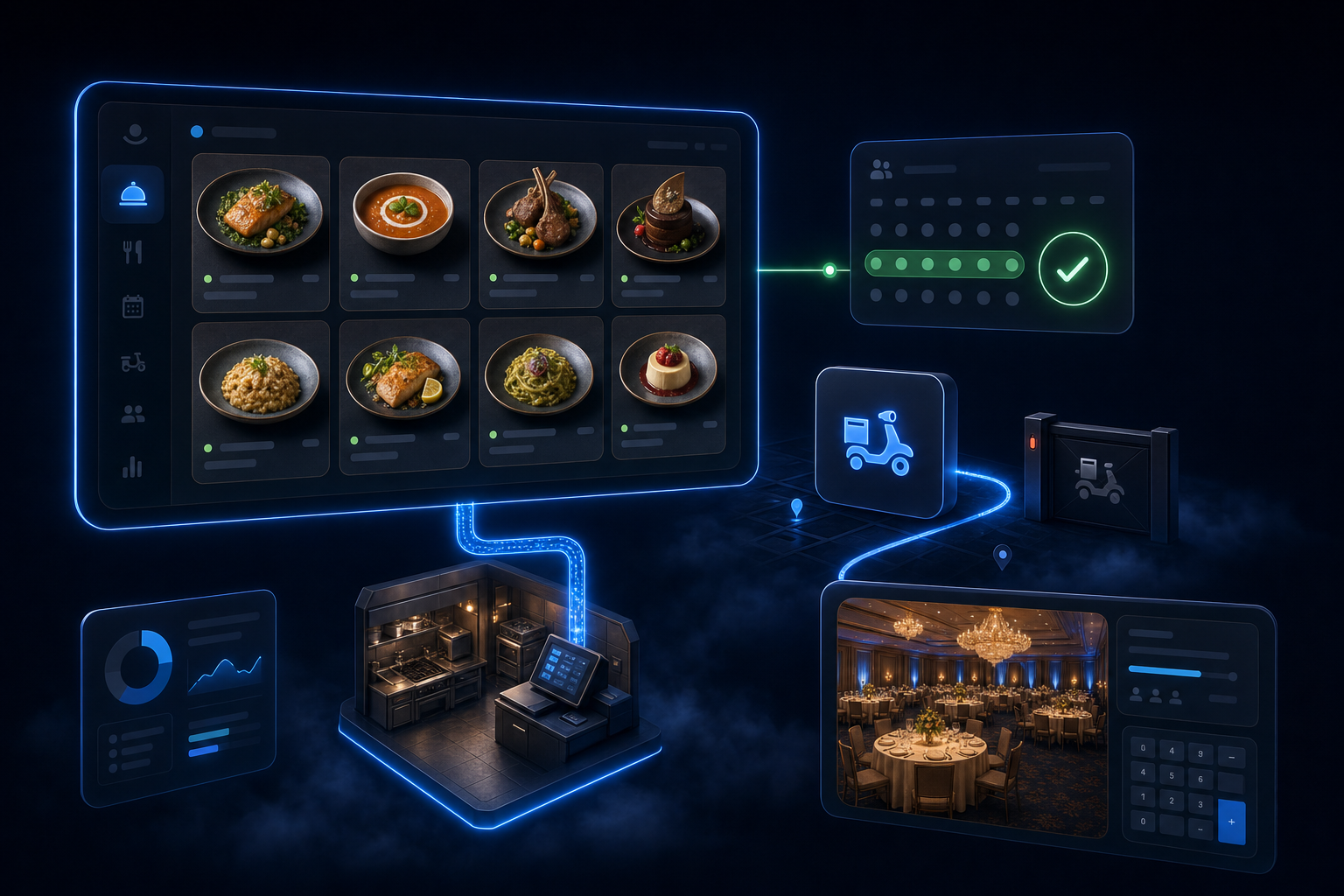
A live POS-synced menu, table booking without a call and an owned delivery circuit. A website that works on three restaurant tasks at once.
Goals we set for the website
- 24/7
- table booking without the phone
- 0%
- fees on website orders
- ×2-3
- banquet inquiries
Sound familiar?
The online menu is a six-month-old PDF: wrong prices, half the dishes gone
Reservations are phone-only: evenings are unreachable, the guest walks next door
Delivery belongs to aggregators — with fees and someone else's storefront
Banquets — the fattest ticket — hide behind a "call us" line in the footer
Restaurant Website Development
What's included
Live menu
POS-synced: new dishes, prices and the stop-list update themselves — no last-season PDF
Online booking
A table booked in a minute at any hour — guest confirmation, host notification
Fee-free delivery
Cart, zones, payment, timing — direct orders; aggregators stop being the only road
Banquet funnel
Rooms, capacity, banquet menus, a budget calculator — high-ticket inquiries instead of "call us"
Atmosphere showcase
The interior, the kitchen, the chef — the site sells the experience before the visit
Geo foundation
"Restaurant + district", maps, menu and review markup — visibility where people choose
How the project runs
How the project runs
- 1-3 days
Brief & estimate
We dig into the task and give a precise price and timeline
- 1-2 weeks
Prototype & design
Structure, mockups and visual sign-off
- 2-6 weeks
Development
Weekly sprint demos — progress is always visible
- 3-5 days
Launch & support
Testing, production deploy, 6-month warranty
A restaurant website works on three tasks — all three about money
A restaurant site has three conversions. A table booking. A delivery order. A banquet inquiry. A business-card site with a PDF menu does none of them. It “presents the venue” while guests book by phone at peak hours, order through fee-charging aggregators, and banquets go to whoever answered faster. We build the site around all three funnels at once. Every page leads to one of them.
The live menu: a storefront that doesn’t lie
The menu is a restaurant site’s most visited section and its most embarrassing in the typical build. Usually a PDF with last season’s prices. A POS integration makes the menu live. Dishes, prices and the stop-list sync with the kitchen. Photos and descriptions sell, menu markup pushes dishes into search results. The guest looks at the current menu and orders without this-is-gone surprises.
Booking without the phone: demand peaks when nobody picks up
Friday evening. The phone rings off the hook, the hostess darts between the floor and the receiver, guests who couldn’t get through walk to the neighbors. Online booking removes the peak. Date, time, party size — a minute from any device. Automatic confirmation, a hostess notification in Telegram. In the owner’s review, a third of bookings came from the site. Half of them after closing: guests plan tomorrow’s dinner at night, when there’s nobody to call.
Delivery and banquets: two channels the site takes back
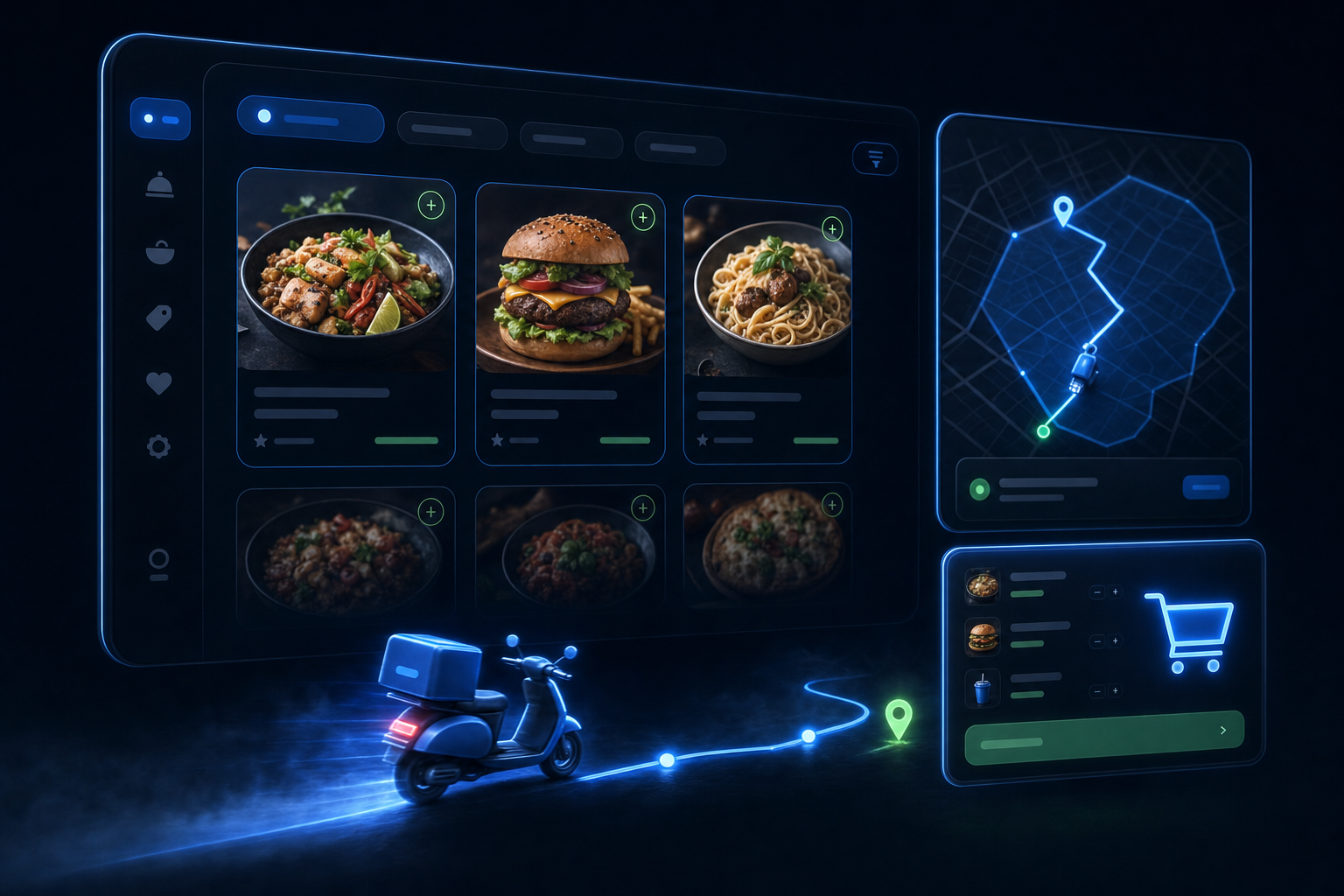
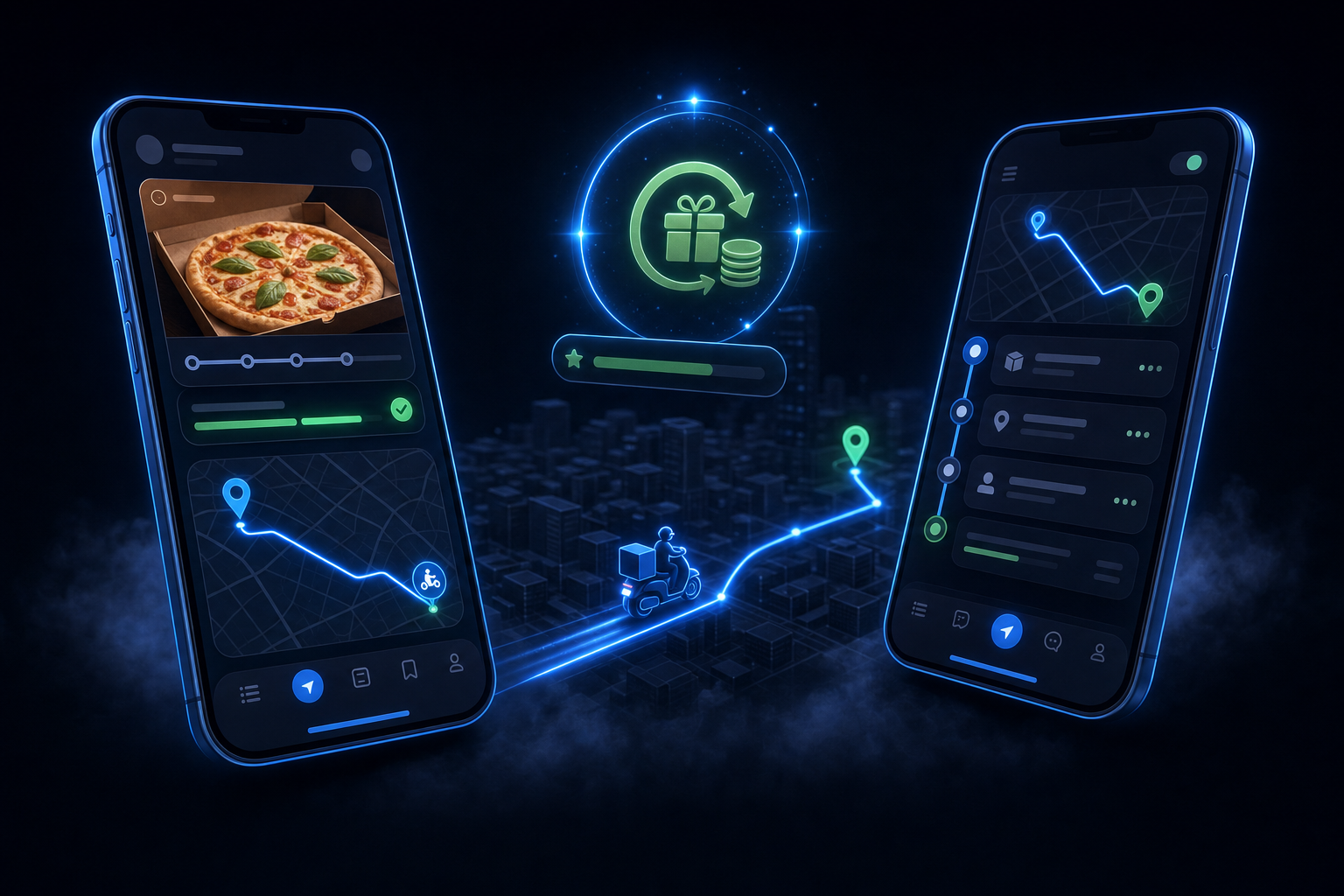
Aggregator delivery means a fee on every order and someone else’s storefront with competitors alongside. Your own circuit on the site takes the regulars commission-free, with your base and history. The delivery app is our neighboring niche, and it strengthens the channel with pushes. Banquets are the venue’s highest check, and they deserve a funnel, not a call-us line. Hall pages with capacity, the banquet menu, a budget calculator. In the director’s review, inquiries tripled, and they arrive prepared.
Atmosphere and visibility
People go to a restaurant for the experience, and the site sells it before the visit. The interior in live photos, the open kitchen, the chef and their story. The technical geo foundation is laid during development: restaurant-plus-district, the maps connection, menu and review markup. Nearby sit the delivery cases — the site with order growth and the app carrying 55% of orders. Restaurant marketing assembles into one circuit.
Related case study
Client reviews
Client reviews
Online booking removed the evening pain. On Fridays the phone rang off the hook, the hostess couldn't keep up, guests walked away. Now a third of bookings come from the site. Half of them after closing, when we physically couldn't have answered.
The live POS menu ended the shame of this-is-gone-and-that-got-pricier. The stop-list and prices update themselves. Guests order delivery from the site looking at the current dishes. And we pay no aggregator fee on those orders.
The banquet page with the calculator changed the structure of inquiries. People arrive already understanding the budget and the format. Three times the inquiries, and three times fewer empty how-much-roughly ones.
Related solutions
Related solutions
Dental Clinic Website Development
Online booking, doctors, prices and credentials. A website patients trust before their first visit.
E-commerce Website Development
A fast catalog, payments, ERP and shipping sync. A store that works as a sales channel, not a showcase.
Auto Repair Shop Website Development
Online bay booking, prices by make and service pages. A website that books customers while the front desk is busy.
FAQ
FAQ about web development
01How much does a restaurant website cost?
From $5,000 for 4-8 weeks. That covers the live menu, booking, atmosphere and banquet pages. A delivery circuit with a cart and payments adds to the quote, the total depends on your POS setup. The estimate is free after a briefing.
02Will the menu really update itself?
Yes. The POS integration pulls dishes, prices and the stop-list straight from your system. Added an item in the kitchen — it's on the site. Ran out — it disappeared. Running the menu in two places by hand is excluded by architecture.
03Should we build our own delivery with aggregators already working?
Aggregators are good for acquiring new guests, but the commission makes the regulars golden. Your own circuit on the site takes the loyal ones: commission-free orders, the base and history yours. The channels usually run in parallel, with regulars flowing to your own. The delivery app is our neighboring niche.
04How does online table booking work?
The guest picks a date, time and party size. The booking lands with the hostess in Telegram or your system, the guest gets a confirmation. Peak dates can require a deposit. We also integrate with external booking services if you already use one.
05What matters more for a restaurant — the website or maps with reviews?
They work together. Maps bring the restaurant-nearby crowd. The site converts the hesitant with the menu, the atmosphere and booking, and covers delivery with banquets — the things maps can't do. The geo foundation is laid during development, full promotion is a neighboring service.
Let’s discuss your project
Free estimate and a proposed solution within one day.