
Food Delivery SEO
A cuisine-by-district matrix, speed and the brand shield. Commission-free organic orders from the very first report.
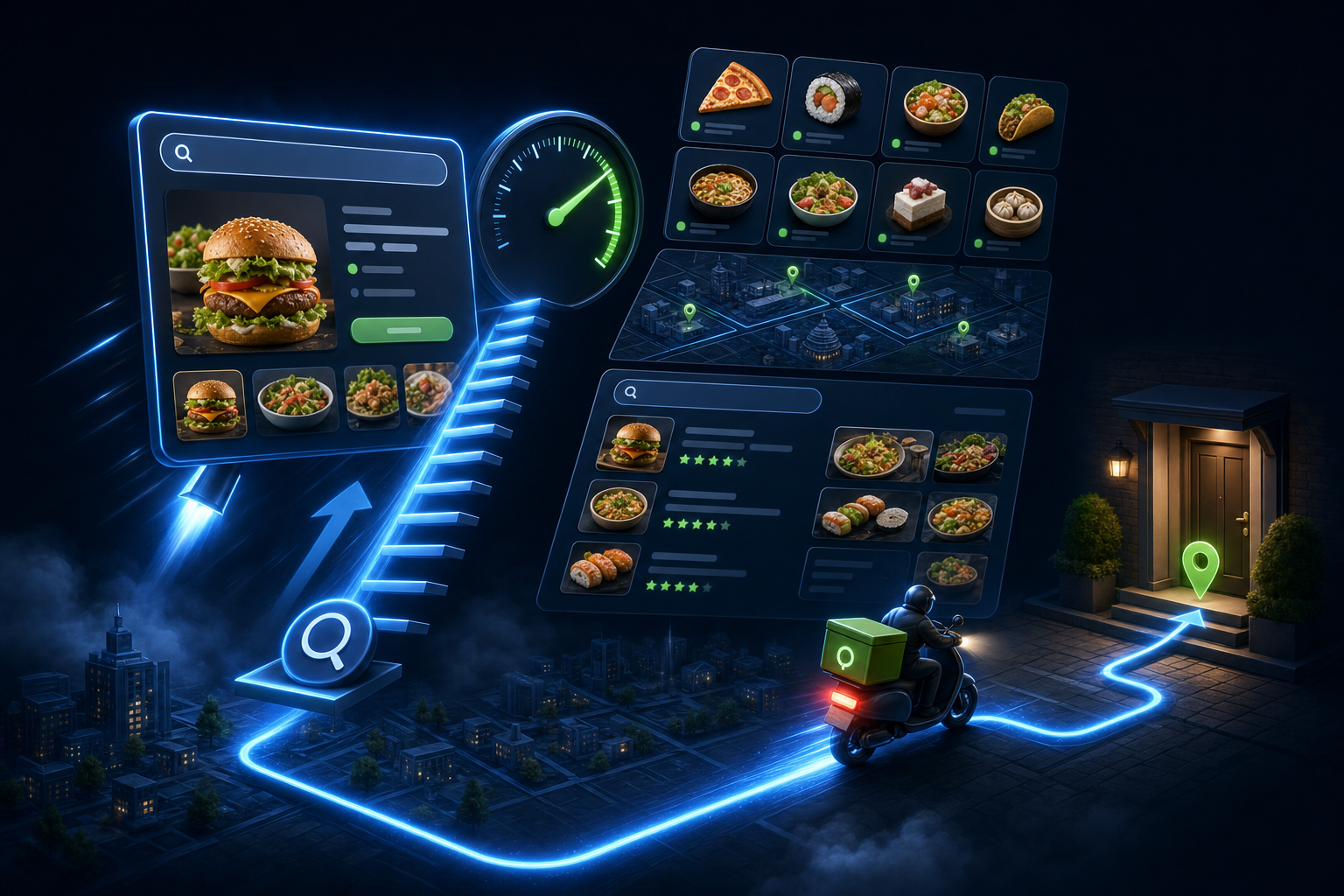
Goals we set for the website
- TOP
- for "cuisine + your district"
- minutes
- from the results to an order — hungry demand
- 0%
- fees on organic orders
Sound familiar?
For "pizza delivery + city" the top belongs to aggregators — a fee on orders from the district you deliver to
A menu-site without structure: hundreds of "rolls/pizza/poke + district" queries pass by
The page loads in 6 seconds — the hungry client already ordered from a competitor
Brand queries leak: for your own delivery's name, other storefronts rank on top
Food Delivery SEO
What's included
The cuisine × geo matrix
"Roll delivery [district]" — a page per demand pair, with the menu and the zone
Speed decides
The hungry click the next result within seconds: a flying site is both a ranking and an ordering factor
Menu snippets
Dish, price and rating markup — your result looks tastier than the neighbors'
The geo circuit
Maps, reviews, delivery zones — local results bring the hottest
Brand protection
Your delivery's name is your traffic: the brand top returns home from the aggregators
Order counting
Organic tagged to the order: the channel in revenue, compared against platform fees
How the project runs
How the project runs
- 2-3 weeks
Audit & keywords
Technical audit, competitor analysis, niche keyword research and clustering
- 3-4 weeks
Strategy & foundation
A month-by-month plan, technical cleanup, landing page structure
- 2-4 months
Content & optimization
Cluster pages, expert content, schema markup, link profile
- monthly
Growth & reporting
Rankings, traffic and leads in reports — strategy adjusts to data
Hungry demand is SEO’s fastest deal cycle
Sushi-delivery-plus-district is a query converting within minutes. The person is hungry, the decision is immediate, the average check is known. That’s exactly why aggregators occupied the results, taking 20-30% off the orders of a district you deliver to yourself. SEO’s economics here are clearer than in any other niche. Every organic order is a commission-free order. The payback shows in the first monthly report, not over-the-distance.
The cuisine-by-district matrix: precision against catalogs
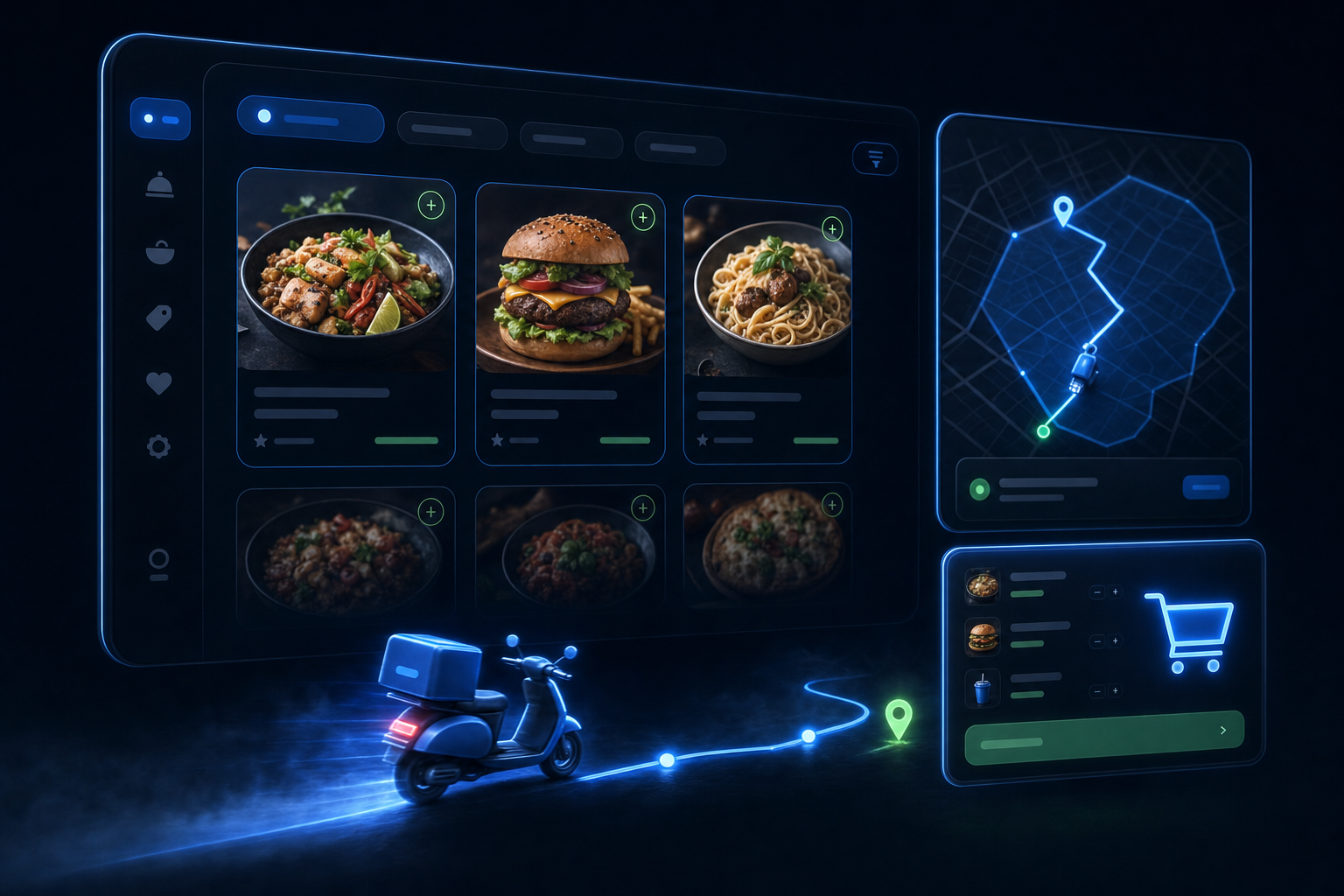
An aggregator answers roll-delivery-in-district with a generic catalog. Your page answers precisely. The roll menu, the zone and delivery time for that district, reviews, an order button. We build the structure as a matrix: every cuisine times every district of the delivery zone. Pizza, sushi, poke, wok. In the sushi delivery owner’s review, the formal district pages started bringing orders in the first month. Commission-free orders from territory he’d been paying an aggregator a quarter of the check for.
Speed: the factor that outranks content in this niche
A hungry user doesn’t wait. Six seconds of loading, and the order went to the next result. Speed in food delivery is a double lever. Core Web Vitals affect the ranking, an instant menu affects the conversion. In the pizza chain marketer’s review, the speed-up lifted conversion from results by a third before any position growth. The technical stage goes first with us. In this niche it often pays for a month of work on its own.
Snippets, maps and the brand shield
Menu, price and rating markup makes your snippet look tastier than the neighbors’. Dishes and stars show right in the results. The geo circuit brings the hottest: map listings with the menu, photos and reviews, the delivery zones. And a mandatory brand audit. For your own delivery’s name, an aggregator often ranks first. People search for you, and you pay the commission. In the dark kitchen director’s review, taking the brand TOP back is called the fastest and most profitable fix in their history. Usually it’s 1-2 months.
Counting in orders and the place in the stack
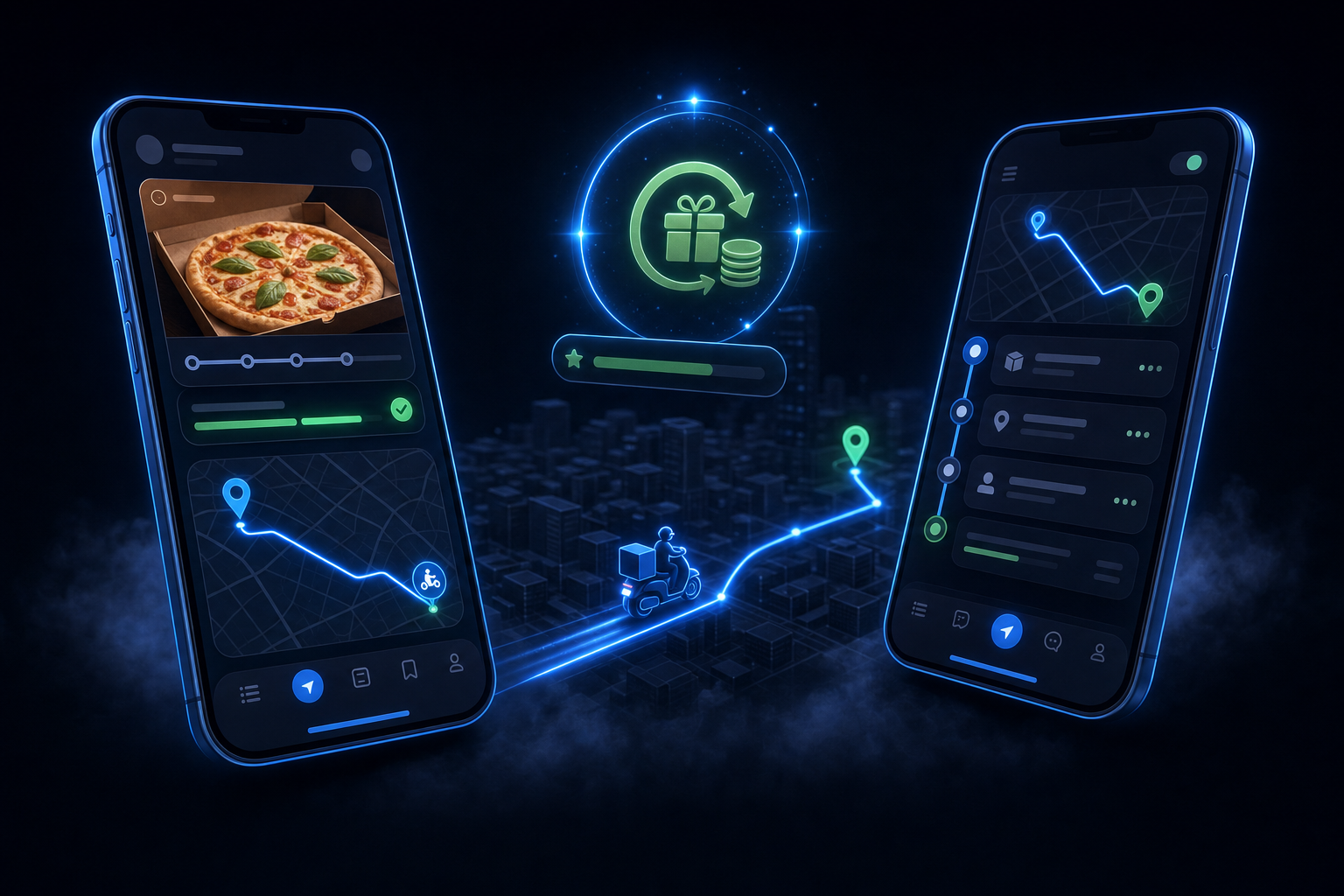
The report is in money. Organic orders get tagged down to the cart, the cost gets compared with platform commissions and ads. The roles in the stack are split. SEO fills the funnel with new clients. The app with pushes retains: in the case nearby, 55% of orders run through it, repeats grew 38%. The site with the cart converts both. The full delivery circuit — site, app, SEO, ads — assembles with one vendor.
Related case study
Client reviews
Client reviews
District pages looked like a formality until roll-delivery-plus-suburb hit the TOP. Orders from there came in the very first month. Each without the aggregator's commission, to which we'd been giving 25% from the same district.
Speeding up the site delivered before the positions did. Conversion from results grew by a third simply because the menu started opening instantly. The hungry really don't wait. Now I see it in the numbers.
For our own delivery's name, an aggregator ranked first. People searched for us and ordered through it with a commission. We took the brand TOP back in a month and a half. The fastest and most profitable fix in our history.
Related solutions
Related solutions
Dental Clinic SEO Services
E-E-A-T content with doctor-authors, a local circuit per location and reports in bookings. Dental SEO where organic gets cheaper than aggregators.
E-commerce SEO Services
Categories and smart filters as landing pages, marked-up product cards and clean indexing. Organic traffic that overtakes the paid channel.
Medical Center SEO Services
The TOP for services in the strictest YMYL niche. Doctor-authors, a local circuit per location and organic bookings instead of ever-rising aggregator rates.
FAQ
FAQ about seo optimization
01How much does food delivery SEO cost?
From $1,000 a month. The range depends on the city, the number of cuisines and delivery zones. The economics are simple: an organic order versus the aggregator's 20-30% commission. The payback shows in the very first report. The forecast follows a free audit.
02Is it realistic to beat aggregators in results?
On generic food-delivery-city queries it's hard, their budgets live there. On cuisine-plus-district pairs — consistently yes. A precise page with the menu, the zone and the delivery time beats a faceless catalog. Plus maps and brand queries, the zones where an aggregator is always vulnerable.
03Why do you push site speed so hard?
Hungry demand is search's most impatient. Seconds of loading decide who gets the order. Speed is a double factor: ranking and conversion. In the review above, the speed-up lifted orders before any positions did. That's the niche's typical order of effects.
04Our orders mostly come through the app — why SEO?
SEO is the new-client channel. A person searches poke-delivery-plus-district, finds you, and then moves into the app with its pushes and bonuses — our neighboring niche, with the 55%-of-orders case. Search fills the funnel, the app retains. A pair, not a competition.
05How do you measure the effect — in positions?
In orders. Organic traffic is tagged down to the cart and revenue. The report compares an organic order's cost with aggregator commissions and ads. Positions are a working indicator, but decisions get made on money.
Let’s discuss your project
Free estimate and a proposed solution within one day.