
Wholesale Company Website Development
A catalog with prices behind login, structured inquiries and dealer terms. A wholesaler's site that brings new clients instead of just serving old ones.
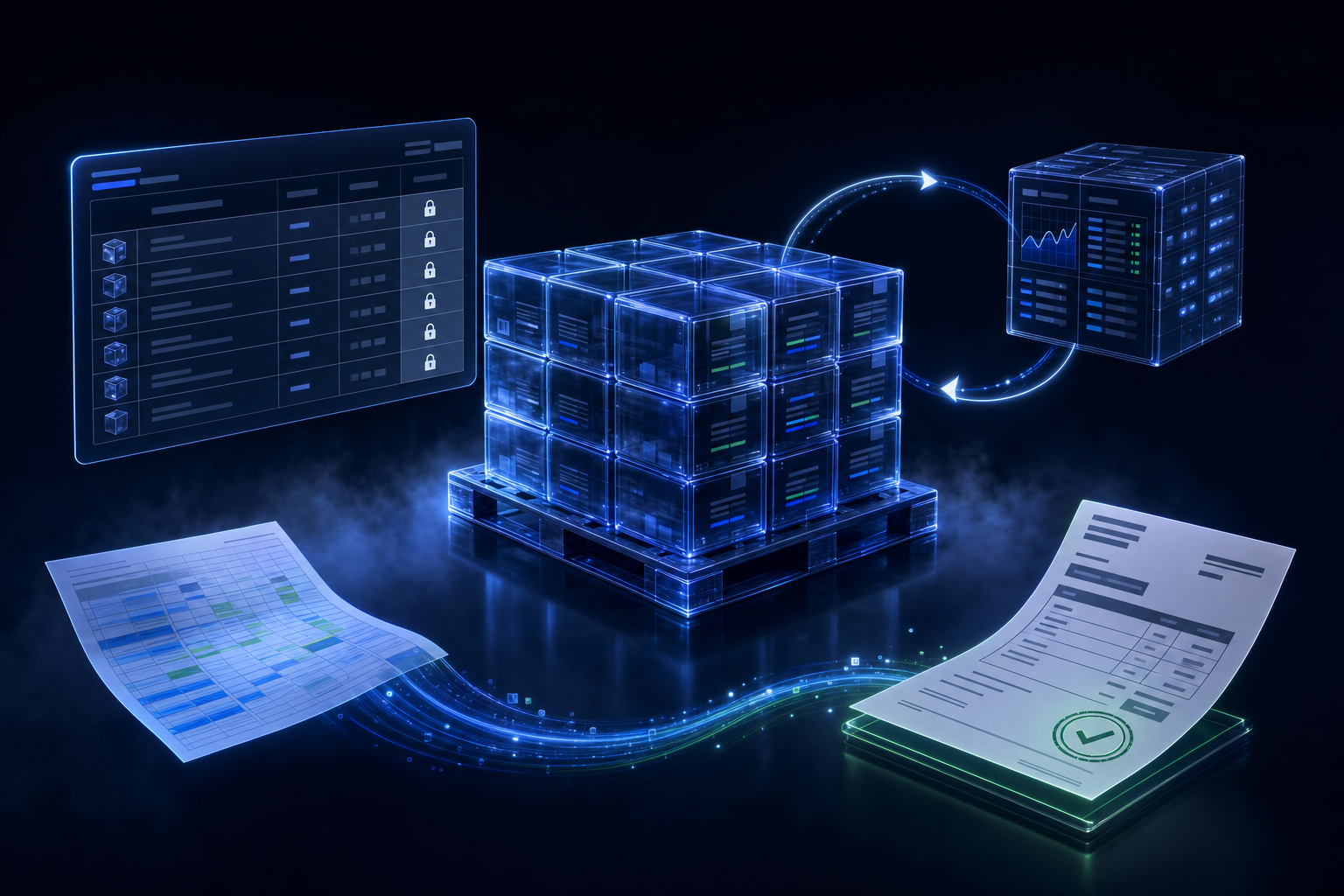
Goals we set for the website
- ×2
- inquiries from new clients
- 15 min
- stock and price freshness
- 5-8 weeks
- to the site's launch
Sound familiar?
The site brings no new clients: a brochure with a wide-assortment claim shows neither goods nor prices
The price list goes out on request as a spreadsheet: by the time a manager replied, the buyer found another supplier
Entry terms for new dealers are a mystery: the minimum order, discounts and delivery surface through correspondence
The site's catalog lives apart from the ERP: stock and prices lie, the buyer's trust melts
Wholesale Company Website Development
What's included
A catalog for the buyer
Multiples, packaging, stock, specifications as a table: the buyer builds an inquiry without calls
Price modes
MSRP in the open, trade behind login, personal price lists by client type: flexibility without chaos
Inquiry by list
A cart, an Excel upload with SKUs, or a repeat of the last inquiry: whichever suits the buyer
The terms showcase
The minimum, discount thresholds, logistics, payment terms: a new dealer sizes up the entry without correspondence
The ERP exchange
Stock and prices from the books, inquiries back as documents: the storefront doesn't lie, the manager doesn't retype
The client account
Inquiries, statuses, invoices and reconciliations in one place: fewer where-are-the-documents calls
How the project runs
How the project runs
- 1-3 days
Brief & estimate
We dig into the task and give a precise price and timeline
- 1-2 weeks
Prototype & design
Structure, mockups and visual sign-off
- 2-6 weeks
Development
Weekly sprint demos — progress is always visible
- 3-5 days
Launch & support
Testing, production deploy, 6-month warranty
A wholesale brochure site serves the ego — a working site brings accounts
Wide-assortment-flexible-terms-individual-approach — a wholesaler’s brochure says a lot and shows nothing. A buyer looks for specifics: is the item there, what’s the packaging, what about prices, what’s the minimum. Not finding it within a minute, they leave for a supplier whose catalog is open. We build a wholesale company’s site as an acquisition machine: an indexable catalog with stock, an honest terms showcase, an inquiry in whatever way suits the buyer. In the owner’s review, the site started bringing accounts on its own for the first time: 34 new ones in half a year.
A catalog for the buyer: specifics instead of wide-assortment
A buyer thinks in SKUs, multiples and stock. A wholesale site’s product card answers that logic: specifications as a table, packaging and case multiples, availability, the MSRP for their retail. Categories get indexed for product queries — the acquisition’s SEO foundation. Prices work in modes: retail in the open, trade behind login, personal ones from the ERP by counterparty type. The price list is protected from competitors but not hidden from clients.
An inquiry any way: by cart, by list, by repeat
A buyer with five items likes a cart. A buyer with three hundred likes uploading their own spreadsheet: the system matches the SKUs, highlights the disputed, builds the inquiry in minutes. A regular likes a one-click repeat of the last one. In the distributor commercial director’s review, the list upload killed manual retyping and inquiry errors. Every inquiry lands in the ERP as a structured document. The manager joins the deal, not the data entry.
The terms showcase: dealer entry without a week of correspondence
The minimum order, discount thresholds, delivery terms, payment terms, the documents to start — a buyer usually digs all this out through a week of correspondence. An open terms page shortens the path to an inquiry and filters the flow: small retail stops wasting managers’ time, serious dealers arrive with specific questions. In the trading company director’s review, inbound quality grew without the count growing. That’s the goal: less noise, more deals.
The ERP, the account and the road to a B2B portal
A storefront that lies about stock kills trust faster than its absence. The ERP exchange keeps stock and prices fresh within 15 minutes, inquiries go into the books as documents. The client account gathers inquiry history, statuses and invoices — the where-are-the-documents calls melt. When the client base grows, a full B2B portal with self-service and receivables builds up on this foundation — our neighboring wholesale CRM service. The wholesale automation cases are in the trio below.
Related case study
Client reviews
Client reviews
The site started bringing new clients on its own for the first time. Buyers find us through product queries, see the catalog with stock and leave inquiries. In half a year — 34 new accounts, when all new inflow used to come only from managers.
The Excel inquiry upload is a small feature with a huge effect. Buyers used to email SKU lists, managers retyped by hand. Now the client uploads the file themselves, the items match automatically. Inquiry errors disappeared.
The open terms page filtered the correspondence. The minimum, discount thresholds and payment terms show at once: small retail stops wasting managers' time, and serious dealers arrive with specifics. Inbound quality grew notably.
Related solutions
Related solutions
Dental Clinic Website Development
Online booking, doctors, prices and credentials. A website patients trust before their first visit.
E-commerce Website Development
A fast catalog, payments, ERP and shipping sync. A store that works as a sales channel, not a showcase.
Auto Repair Shop Website Development
Online bay booking, prices by make and service pages. A website that books customers while the front desk is busy.
FAQ
FAQ about web development
01How much does a wholesale company website cost?
From $4,800, launched in 5-8 weeks. That covers the catalog with price modes, inquiries with list upload, the terms showcase, the ERP exchange and the client account. The range depends on the catalog volume and the integration depth. The quote follows a free briefing.
02Should trade prices be shown in the open?
Most often — behind authorization: retail and MSRP in the open, trade prices after login or a quick access request. That protects the price list from competitors without hiding it from clients. Personal prices by counterparty type pull from the ERP. We tune the mode to your policy.
03How does this differ from a B2B portal?
By the focus. A wholesaler's site works on acquisition: product-query SEO, the catalog, the terms, the first inquiry. A B2B portal works on serving the existing: self-service, receivables, document flow. The first is this service, the second is our wholesale CRM. Companies usually start with the site, and the portal builds up on the same base.
04How does the Excel inquiry upload work?
The buyer uploads a file with their SKUs and quantities. The system matches items by SKU, barcode or name, shows the recognized and the disputed. A confirmed inquiry lands in the ERP as a document. For buyers with hundreds of items it's the deciding argument to work with you.
05What syncs with the ERP?
The catalog with specifications, stock at the needed frequency, prices by type, new items. Back go the inquiries as documents, plus statuses. The exchange runs on queues: an accounting outage doesn't drop the site or lose inquiries. ERP integrations are our profile, the case is nearby.
Let’s discuss your project
Free estimate and a proposed solution within one day.