
Medical PMS Integration
Online booking into live schedules, visits in the CRM and results in the patient portal. A PMS integration where medicine and patient flow finally connect.
Goals we set for the website
- 0
- bookings moved by hand
- −35%
- no-shows with the cascade
- 4-8 weeks
- to the link's launch
Sound familiar?
A site booking is a request the front desk manually moves into the PMS: double work and errors
The site doesn't know the practitioners' schedules: the patient picks a time that doesn't exist and gets a renegotiation call
The CRM and marketing live without PMS data: who reached the visit, who returned — unknown
Test results get delivered by phone or on paper: patients flood the front desk
Medical PMS Integration
What's included
Live slots
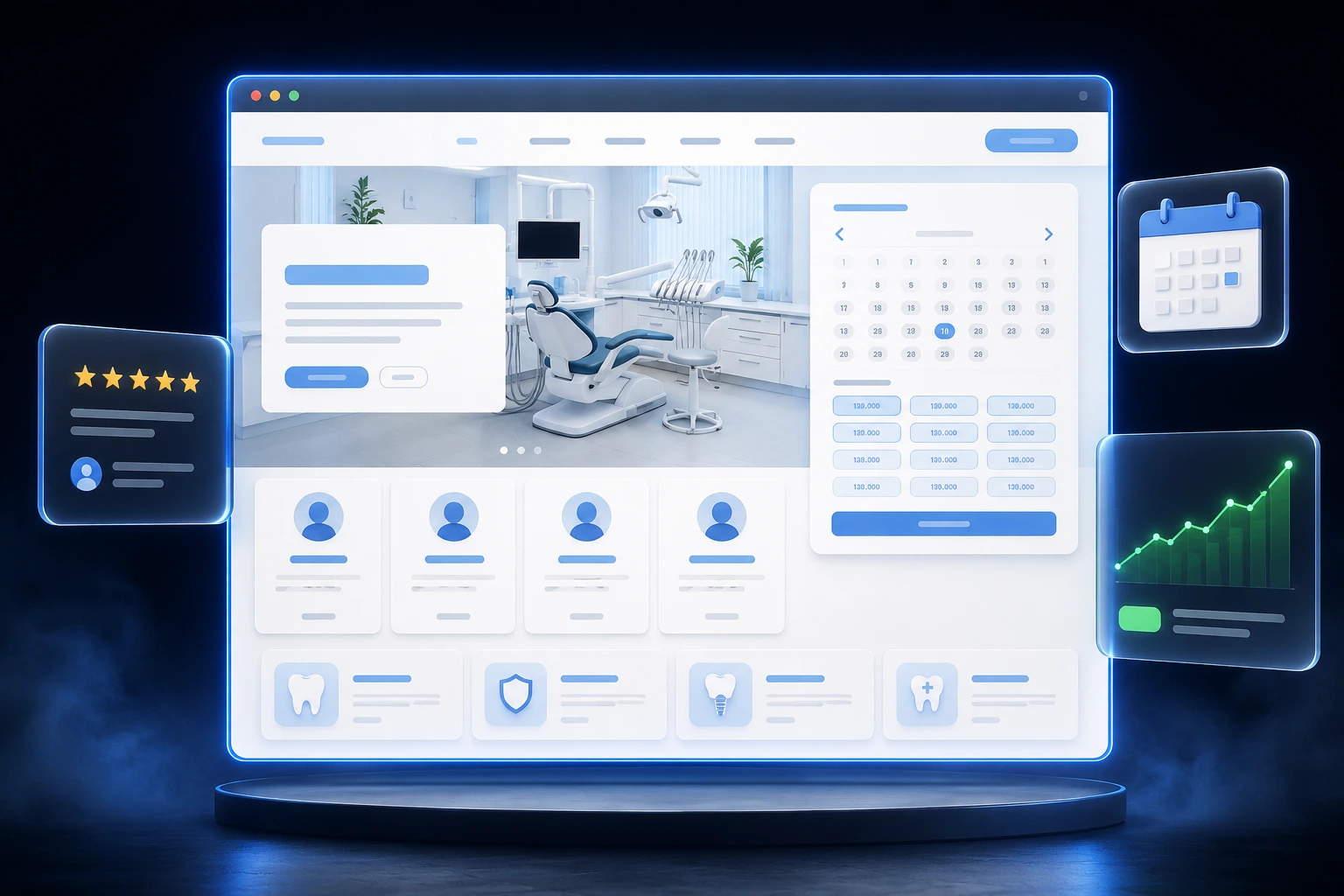
Practitioners' open times go from the PMS to the site: the patient books a real window, not a request
Booking = visit
An online booking creates a PMS visit instantly: the front desk moves nothing by hand
The reminder cascade
A confirmation, the day before, 2 hours before: no-shows melt, slots don't burn
The patient portal
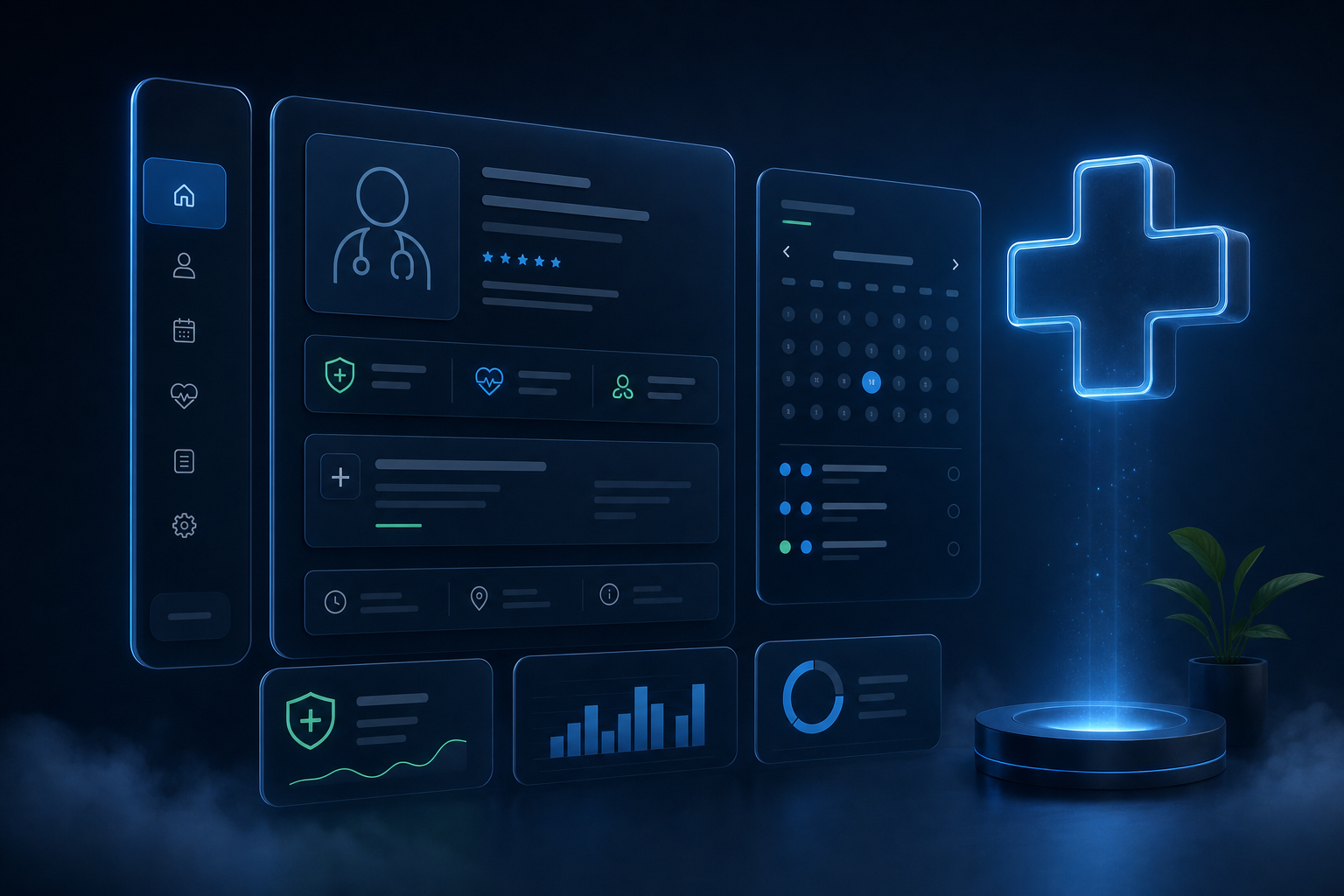
Results, visit history, prescriptions online: the front desk stops being an information desk
PMS → CRM
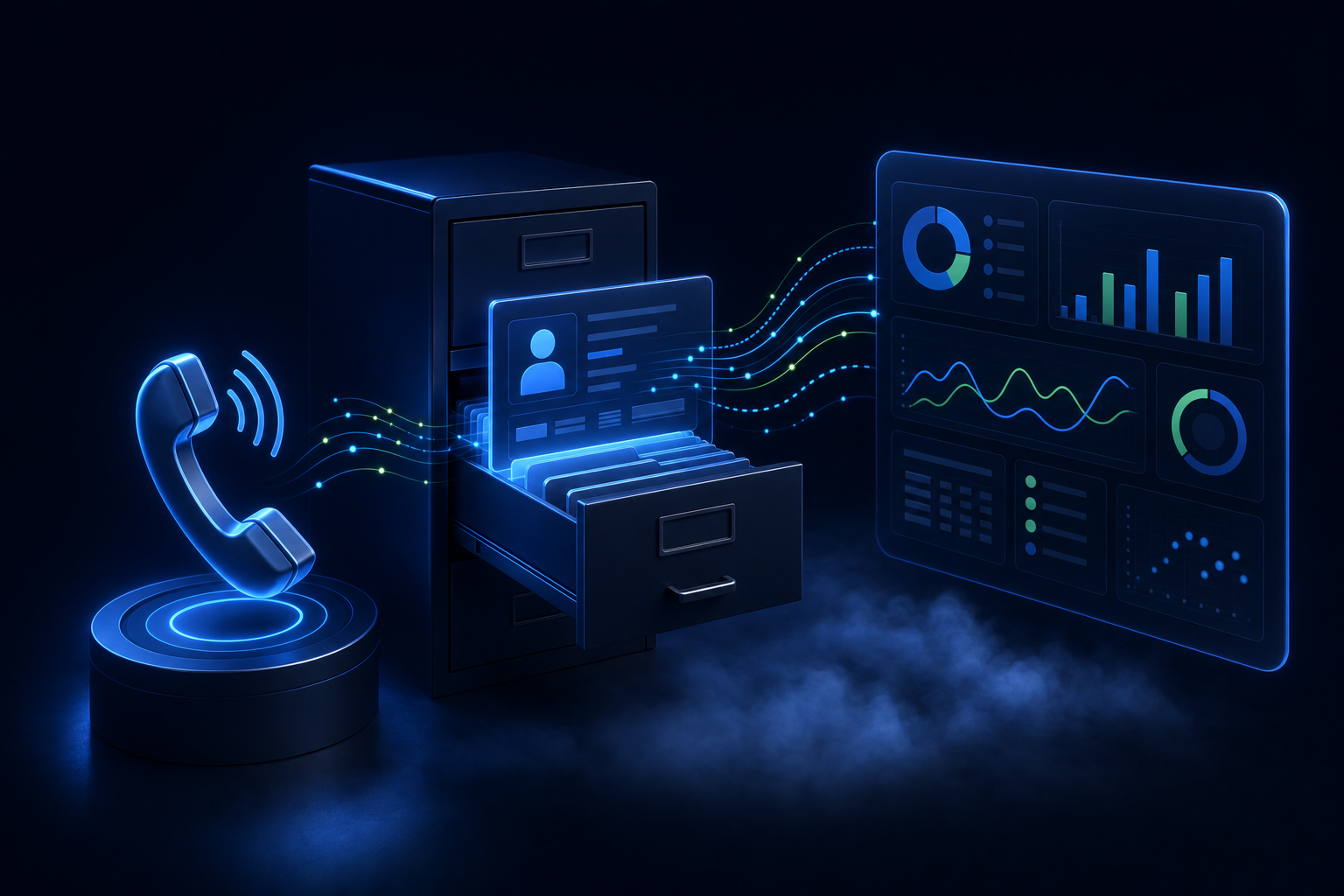
Visit facts and revenue go to the CRM: marketing sees the path to the chair, recall runs by dates
The secure perimeter
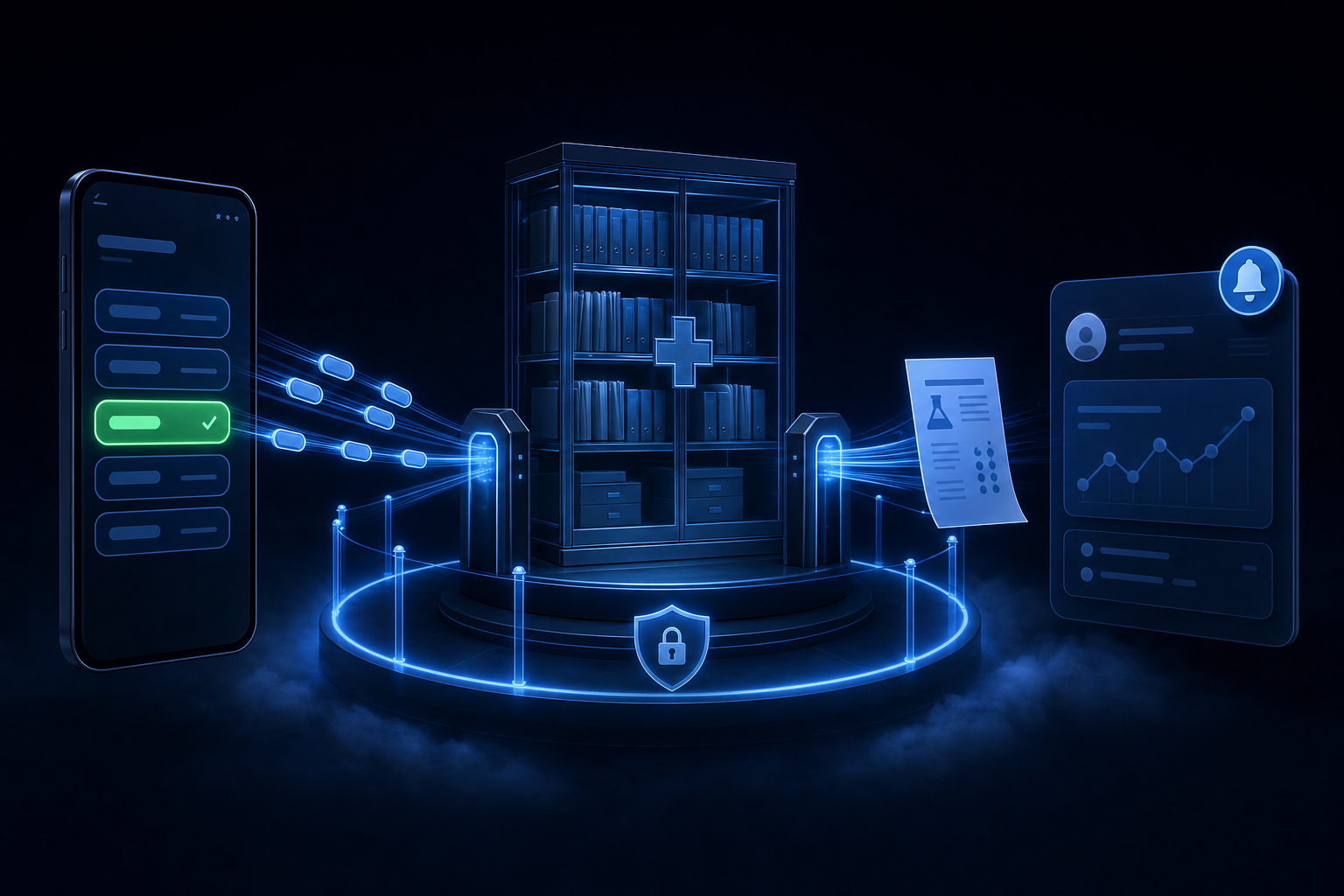
Medical data doesn't leave the PMS: outward go slots, statuses and what's permitted
How the project runs
How the project runs
- 1-2 weeks
Systems analysis
Studying configurations, both APIs, data structures and exchange scenarios
- 1-2 weeks
Exchange design
Data mapping, sync directions and schedule, conflict handling
- 2-6 weeks
Build & testing
Connectors, queues with retries, runs on both systems' staging circuits
- ongoing
Launch & monitoring
Production launch, error alerts, support through system updates
The PMS holds the schedule — yet the patient still books by a phone call
The clinic runs a PMS with the practitioners’ schedules. And the site runs a leave-your-phone form, behind which sit a manual transfer, a confirmation call and lost evening requests. Patients pay for the gap between the medical system and the digital channels in inconvenience, and the clinic pays in no-shows and front-desk labor. The integration stitches the gap: live slots on the site, a booking straight into the PMS, cascading reminders. In our clinic network case, the online booking share grew from 8% to 41% in half a year.
Booking into the live schedule: a request becomes a visit
A request form is an imitation of online booking. The real thing looks different: the patient sees specific practitioners’ open windows from the PMS, picks a time, and the visit gets created in the system instantly, with the slot locked against double booking. No we’ll-call-to-confirm. The reminder cascade — a confirmation, the day before, two hours before — cuts no-shows: the −35% target is reachable on touch discipline alone. Freed slots return to sale automatically.
The patient portal: results without calls to the front desk
Are-my-tests-ready is the eternal call stream eating the front desk. The patient portal closes it: results appear online with a notification, the visit history and prescriptions live there too. In the chief physician’s review, the result calls nearly vanished, and patients note the portal in reviews as a modern clinic’s mark. For the patient it’s service. For the clinic it’s an unloaded front desk and a digital contact channel for years.
The data perimeter: medicine stays in the PMS
Medical data is the most sensitive category, and the integration builds on the minimal transfer principle. Everything medical lives in the PMS. Only the necessary goes out through a secure gateway: slots, booking statuses, the documents permitted to the patient’s portal. Roles, audit logging, channel encryption. In the IT director’s review, the compliance check passed without remarks, and the link survived two PMS updates — resilience gets laid in by architecture.
The CRM, telephony and the medical stack
The PMS-CRM link gives marketing the truth: visit facts and revenue by channel, advertising counted to the chair, recall inviting patients for check-ups by history dates. Telephony raises the patient’s card on a call — the clinic network case is in the trio below. Nearby sits our whole medical stack: clinic websites, SEO, the CRM, advertising counted to the visit. Patient flow closes into one managed circuit with one vendor.
Related case study
Client reviews
Client reviews
Before the integration, site booking was a fiction: a request, a call, a manual transfer into the PMS. Now the patient sees the practitioners' live windows and books themselves, at night included. The online booking share grew from 8% to 41% in half a year.
The patient portal with results unloaded the front desk tangibly. The are-my-tests-ready calls nearly vanished: the result appears in the portal with a notification. Patients note it in reviews as a modern clinic's mark.
The data perimeter was key for us. Medical information doesn't leave the PMS, only slots and statuses go out through a gateway. The compliance check passed without remarks, and the integration survived two PMS updates.
Related solutions
Related solutions
CRM Platform Integration
Every lead into the pipeline with its source and no duplicates. The site, calls, messengers and the ERP in one circuit around your CRM.
Bitrix24 Integration
Assembling the portal for the company's processes. Lead channels, the ERP, smart processes and the deal-to-project link — Bitrix24 starts working.
Marketplace Integration
Stock without fines, FBS by process and to-the-cent financial reconciliation. A marketplace integration where the system controls the deadlines.
FAQ
FAQ about integrations
01How much does a PMS integration cost?
The basic link — online booking with slots and statuses — from $4,000 in 4-8 weeks. The patient portal, the CRM link and telephony get priced by scope. The quote follows a free review of your PMS and tasks.
02Which practice systems do you work with?
The popular commercial PMSs through their APIs, and clinics' custom-built systems. The mechanics depends on the specific PMS's capabilities: a standard API in some, a database gateway in others. At the review we'll honestly say what's feasible in your configuration and how.
03How is data protection ensured in the integration?
By the minimal transfer principle. Medical data stays in the PMS. Only the necessary goes out through a secure gateway: schedule slots, booking statuses, the documents permitted to the patient's portal. Roles, audit logging and encryption included. We align the architecture with your security officer.
04Does a booking really reach the PMS without the front desk?
Yes, that's the point. The patient picks a practitioner and a live slot, the visit gets created in the PMS instantly, the slot locks against double booking. The front desk sees the booking in the familiar PMS interface. The manual transfer and we'll-call-to-confirm disappear.
05What does linking the PMS with a CRM give?
Marketing starts seeing the truth. Facts go to the CRM: whether the patient arrived, the revenue, the last visit's date. Advertising counts to the chair, not the request. Recall mechanics invite patients for check-ups by history dates. The clinic CRM is our neighboring niche — the link gets designed as one.
Let’s discuss your project
Free estimate and a proposed solution within one day.