
CRM for Auto Repair Shops
A digital work order, per-VIN history and parts without black holes. A CRM where every repair and every dollar leaves a trace.
Goals we set for the website
- 100%
- repairs with history and documents
- −30%+
- downtime waiting for parts
- 0
- labor-hour disputes
Sound familiar?
Work orders live on paper and in chats: what was approved, done and paid gets reconstructed from memory
Vehicle history is scattered: a client arrives the third time and nobody recalls the previous visits
Parts are a black hole: the part was bought, but for which repair and where it is — ask the storekeeper
Mechanic pay by output is calculated manually — labor-hour disputes every month
CRM for Auto Repair Shops
What's included
Work order
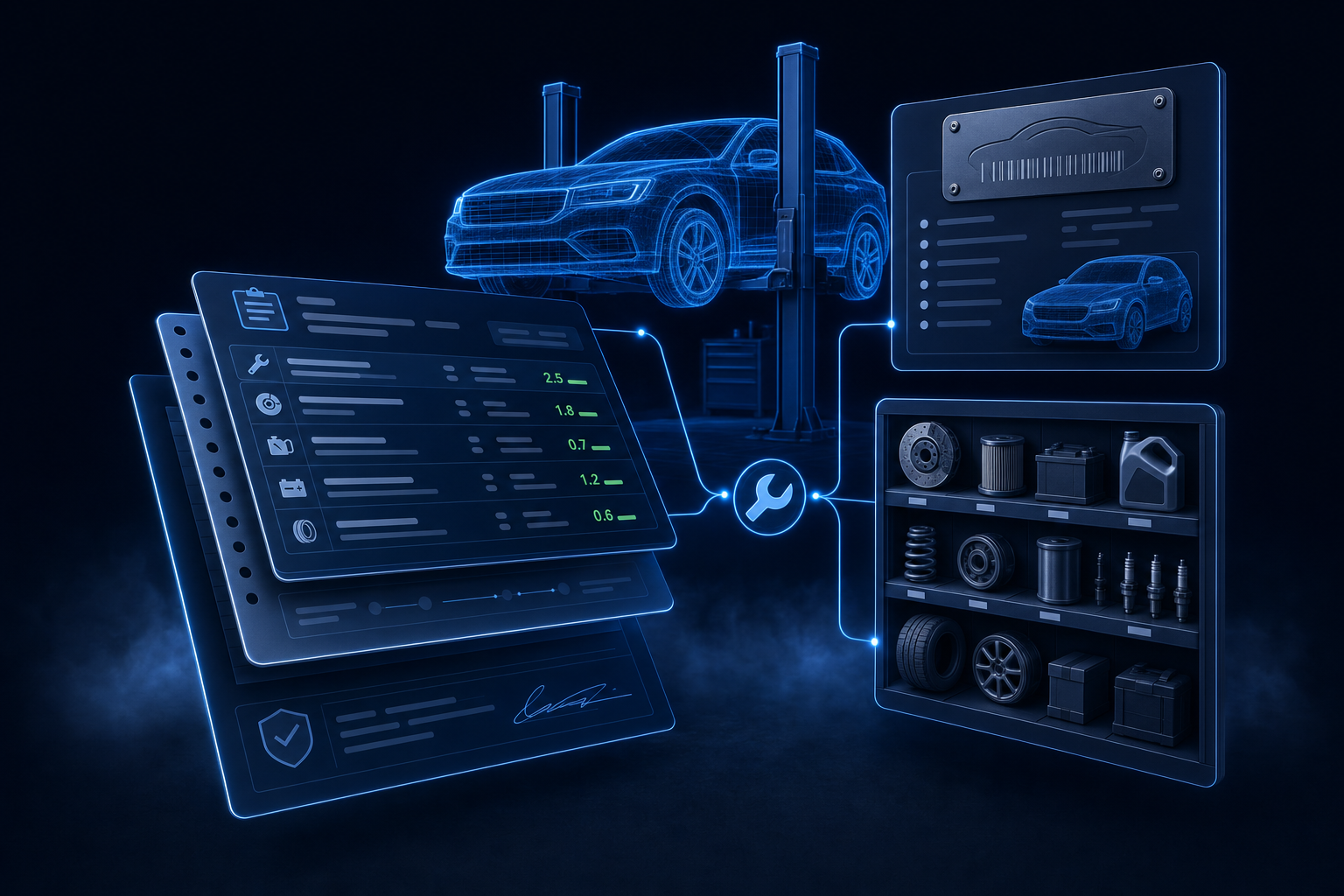
The system's core: labor-hour jobs, parts, statuses, sign-offs — from intake to handover
History by VIN
The vehicle's whole life at the shop: visits, jobs, parts, recommendations — knowledge that sells
Stock & purchasing
Parts reserved to orders, minimum levels, supplier requests — no repairs stalled on parts
Approvals
A defect photo and upsell estimate to the client's messenger — confirmation logged in the order
Payroll module
Labor-hour output and piece-rate schemes — mechanics watch their earnings in real time
Bay planning
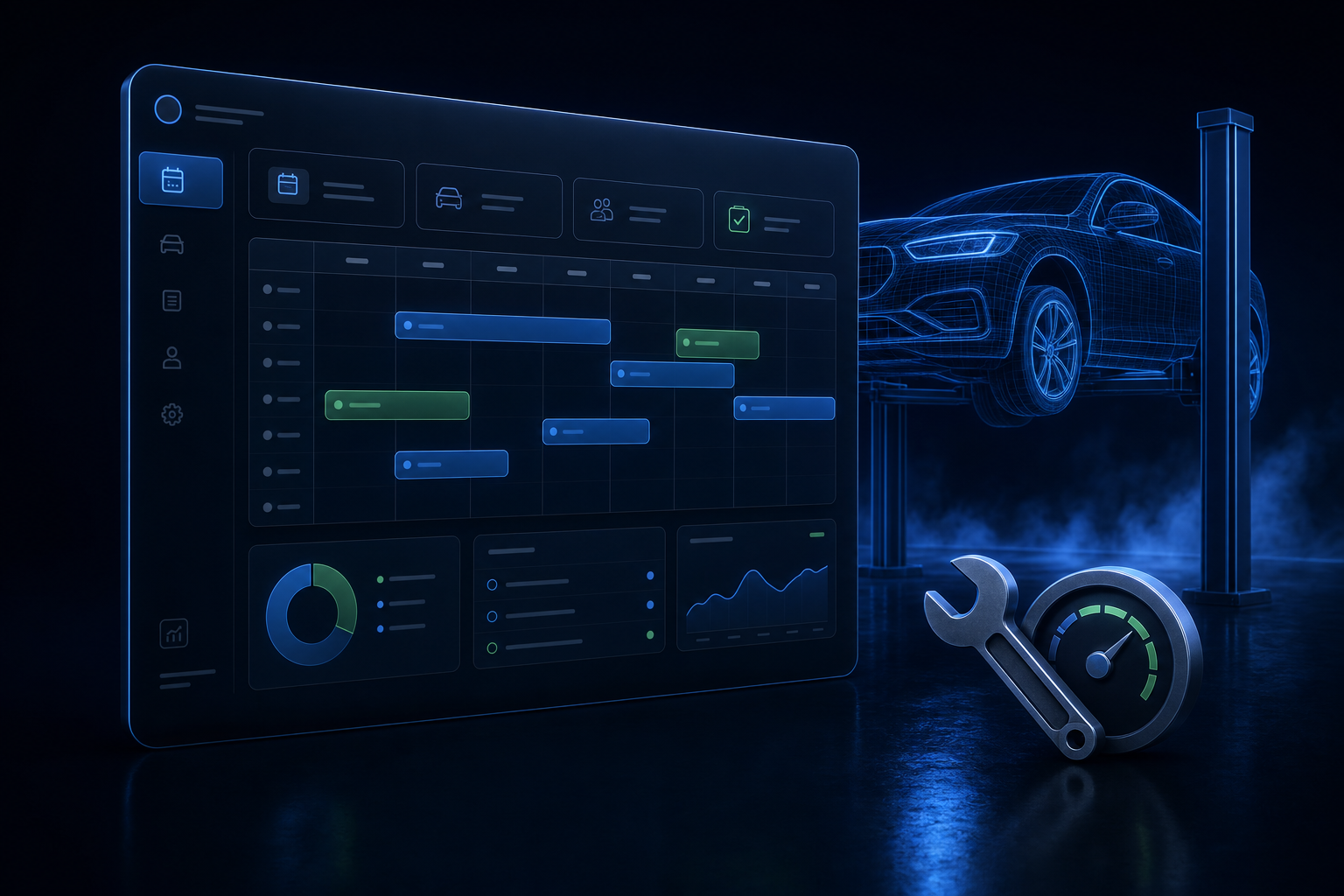
Lift workload by time and specialty — bays neither idle nor collide
How the project runs
How the project runs
- 1-2 weeks
Process audit
How the business really runs: bookings, sales, accounting, bottlenecks
- 2-3 weeks
System design
Architecture, role scenarios, data migration and integration plan
- 4-10 weeks
Build & configure
System assembly, integrations, data transfer — alongside the old process
- 1-2 weeks
Launch & training
Team training, playbooks, staged rollout and launch support
A shop held together by the advisor’s memory doesn’t scale
The typical repair shop picture. Work orders on paper. Approvals in chats. Vehicle histories in the senior advisor’s head. Parts in the storekeeper’s notebook. While the shop is small, it works. Growth breaks everything at once. New people lack the context, orders get lost, repairs stall over parts, and the owner learns the margin by what’s-left-in-the-account. A repair shop CRM moves the knowledge from heads into a system. Every repair, every part and every dollar leaves a trace.
The work order: one document instead of paper and chats
The system’s core is the digital work order. Jobs with labor hours, parts with warehouse reservations, statuses from intake to handover, approvals and signatures. The advisor assembles the order with the client present. The mechanic sees their task on a tablet. Extra work gets approved with a defect photo in the messenger, and the client’s confirmation is recorded in the order. The I-never-agreed-to-this conflict dies as a class. Every repair is documented shut.
Per-VIN history: knowledge that sells
A car arriving for the third time should be greeted as a familiar one. What was done, what was recommended, what’s due by mileage. The per-VIN vehicle card stores the whole history and turns intake into a sale without pushing. “Last visit we noted the brake pads wearing — shall we look?” The client hears care, the shop gets the average check. It’s the same return logic that works in our salon and fitness CRMs. In auto repair it’s tied to the metal.
Parts: from a black hole to a transparent cycle
A part travels a long path through a shop. The supplier order → receipt → a work order reservation → issue to the bay → write-off. Every break in that path is lost money or a stalled repair. The warehouse module runs the whole cycle. Stock is honest, reservations are visible, minimum levels replenish through automatic requests. The owner finally sees how much money is frozen on the shelves and which part lies as dead weight.
Mechanics: output without arguments, bays without idling
Piece-rate pay from labor hours is the right motivation while it’s counted honestly and transparently. The payroll module tracks output per work order. The mechanic sees their earnings in real time, the owner sees the people’s and the bays’ productivity. The planner distributes repairs across lifts respecting specialization. Bays load evenly, the queue is predictable. Website booking — we build those too — lands in the same calendar.
Related case study
Client reviews
Client reviews
Friday evening used to mean sorting paper work orders and arguing with mechanics about output. Now the orders are digital, labor hours count themselves. For the first time I see each repair's real margin instead of probably-in-the-black.
Per-VIN history changed the sales. The service advisor sees past visits and recommendations and offers what's genuinely due. The average check grew without a single upsell push. Clients themselves say well-you-did-warn-us.
Approving extra work with a photo killed the shop's main conflict. The client sees the defect with their own eyes and confirms in the phone. Not a single I-never-agreed-to-this claim in half a year.
Related solutions
Related solutions
CRM for Beauty Salons
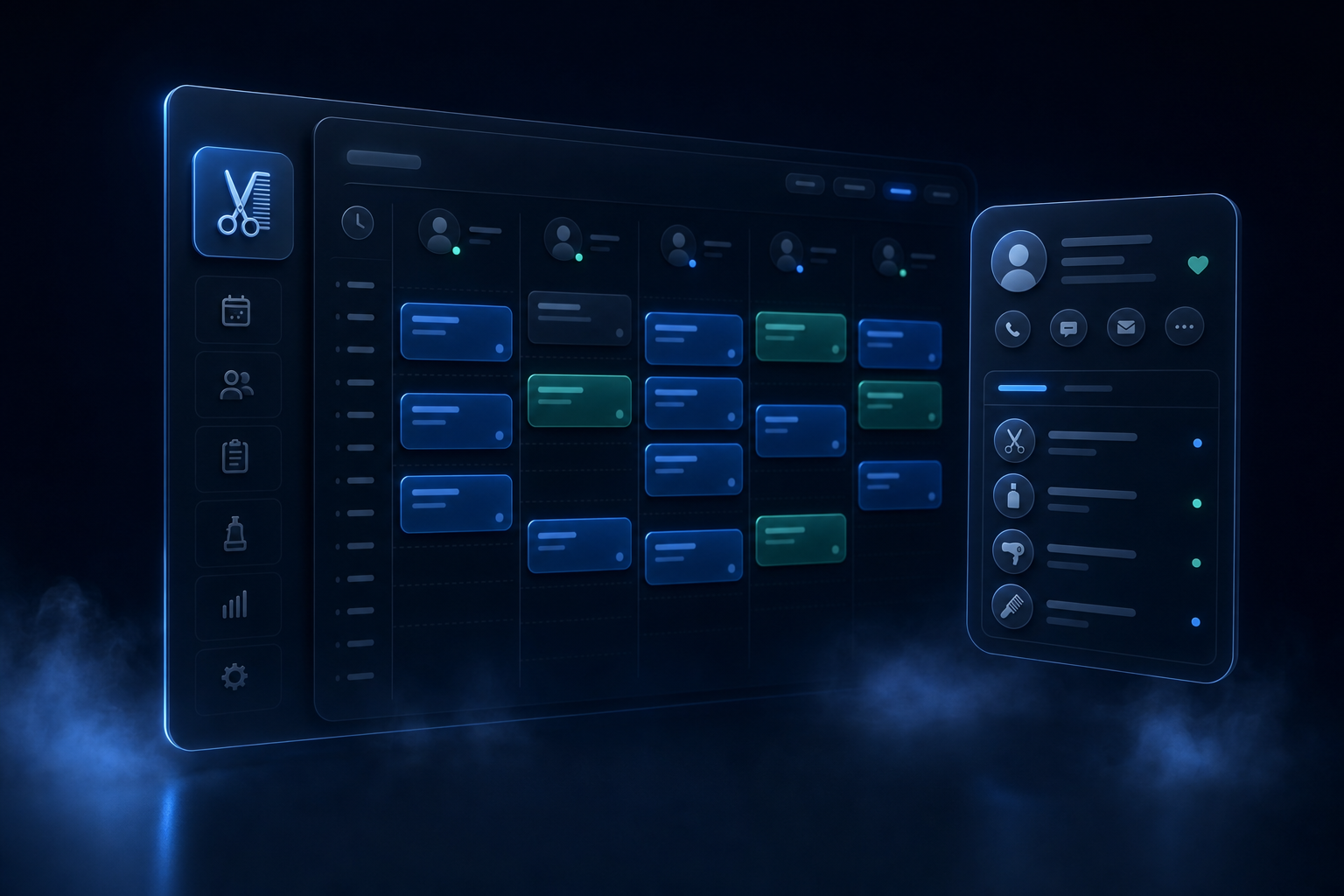
Your own system instead of an eternal subscription. Booking, the base, stylists' pay and client returns built for your chain's processes.
ERP for Manufacturing
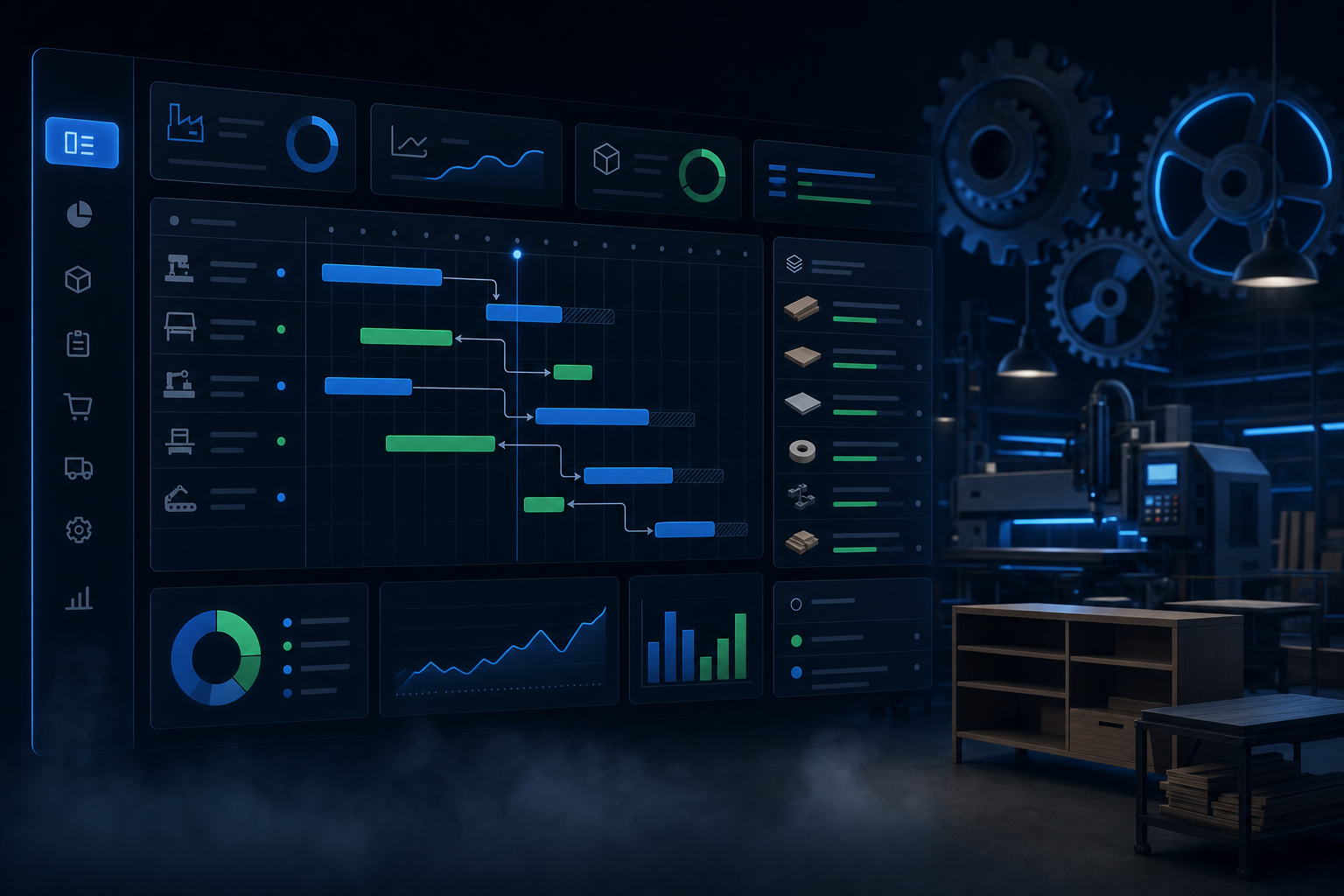
Machine and crew planning, an honest cost price before the order launches and materials without eyeball reserves. Manufacturing that is managed, not firefought.
CRM for Wholesale
A self-service B2B portal, personal price lists and reserves without overselling. A CRM where managers develop clients instead of retyping orders.
FAQ
FAQ about crm/erp systems
01How much does a repair shop CRM cost and why is it better than off-the-shelf?
Implementation from $6,000. Off-the-shelf products suit a typical shop but break on specifics: custom motivation schemes, non-standard processes, a chain of locations. A custom system is built for your processes and charges no per-seat subscription. For a growing shop the economics reconcile in 1.5-2 years.
02Will the system keep per-VIN history?
Yes, that's the core. Every vehicle is a card with the history of visits, work, installed parts and recommendations. The advisor sees the car's whole life at the shop during booking and intake. That's both quality and future work sales.
03How is parts accounting organized?
The full cycle. Receipt from the supplier, reservation for a specific work order, write-off at issue, minimum stock control and purchase requests. A part won't get lost between the warehouse and the bay, and a repair won't stall over forgot-to-order.
04Will the system compute mechanics' pay from output?
Yes. Labor hours per work order, piece-rate percentages, personal coefficients and KPIs. The mechanic sees their output and earnings in real time. The monthly arguments about the numbers end.
05How long is the rollout and will the shop stall?
10-14 weeks, and the shop works as it worked. The system launches in parallel, work orders move to digital in stages. Advisors and mechanics learn on real repairs with our guidance.
Let’s discuss your project
Free estimate and a proposed solution within one day.