
Secure Systems: Certification and Data Protection
A threat model before the code, a regulator-grade perimeter and a certification package. Secure systems that pass assessment on the first attempt.
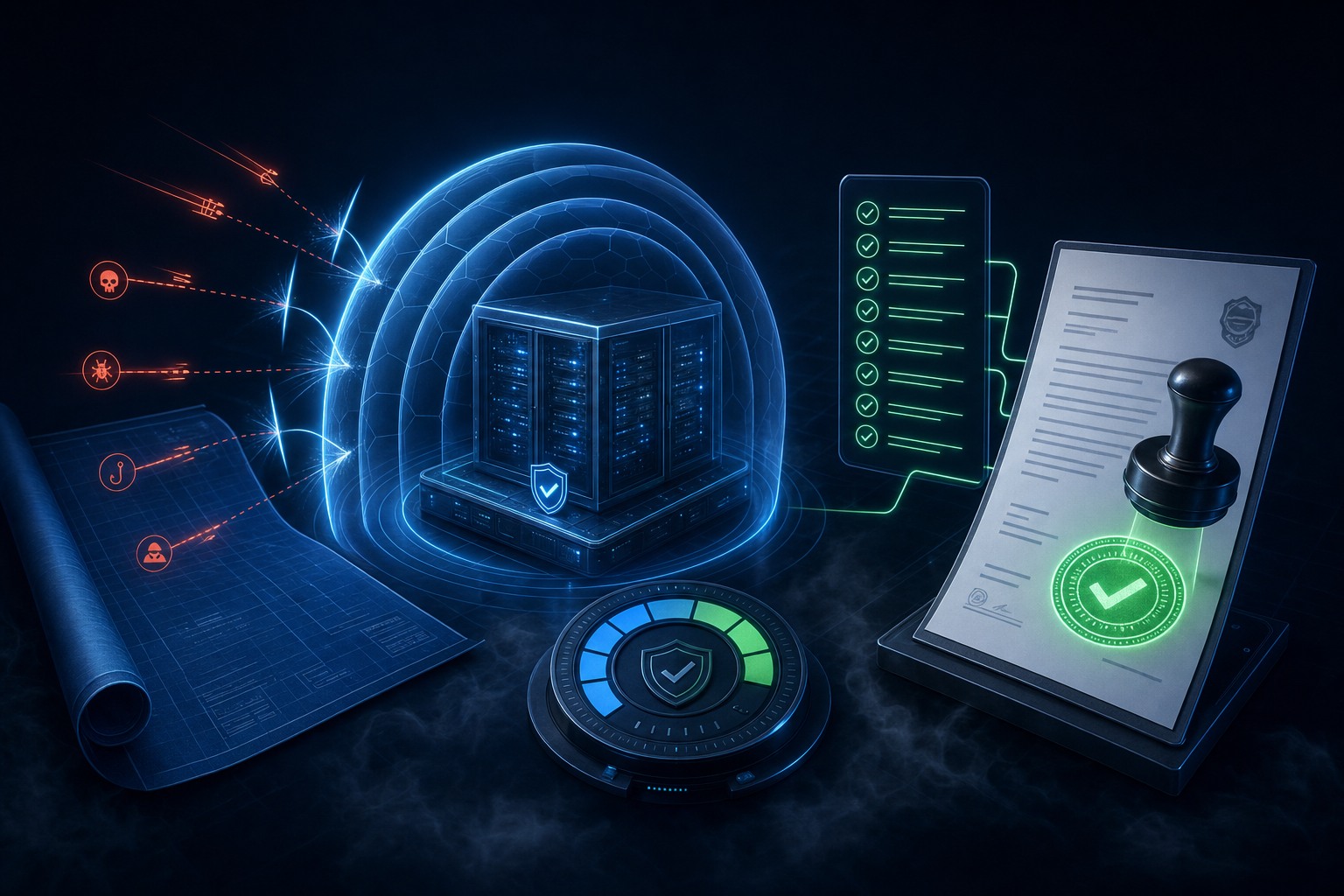
Goals we set for the website
- 1 attempt
- to pass certification
- 100%
- of measures built in before release
- 12-20 weeks
- the system + the certification package
Sound familiar?
The system is ready, but certification isn't: security was bolted-on-later, and now the rework takes months
Data protection law gets interpreted by eye: the protection level undefined, measures picked at random
The security documentation is a stack of internet templates matching nothing in the real system
Developers and security officers speak different languages: the project stuck between works and complies
Secure Systems: Certification and Data Protection
What's included
Classification without inflation
The protection level and class get substantiated: understating is a risk, overstating is millions wasted on measures
The threat model
By the regulator's methodology: current threats, adversaries, vectors — the foundation of every protection decision
Protection in the architecture
Segmentation, role-based access, security event logging, cryptography: the measures live in the system from birth
The certified stack
Protection tools from official registries where required: selection without excess
Documents, not templates
Policies and regulations describe your system: the assessment commission cross-checks — and it matches
To the certificate
Licensed assessors for the tests and certification: we coordinate the process to a positive conclusion
How the project runs
How the project runs
- 1-3 days
Brief & estimate
We dig into the task and give a precise price and timeline
- 1-2 weeks
Prototype & design
Structure, mockups and visual sign-off
- 2-6 weeks
Development
Weekly sprint demos — progress is always visible
- 3-5 days
Launch & support
Testing, production deploy, 6-month warranty
It’s not the system that gets certified — it’s the system with its protection and documents
Government projects’ frequent catastrophe: the system is developed, works, is accepted — and can’t be certified. Security was going to be bolted-on-later, and later turned into months of redesign. Certification checks a triad: the protection architecture, the implemented measures and documentation matching reality. We build all three layers from day one. In our government client’s case, the system passed certification on the first attempt — after a previous vendor who delivered something working but uncertifiable.
Classification and the threat model: a foundation that saves millions
Everything starts with substantiated classification: the personal data system’s protection level, the state system’s class. Understate it — a rejection and liability risk. Overstate it just-in-case — millions wasted on certified tools. In the medical system lead’s review, recalculating the inflated level halved the protection tools budget. The threat model by the regulator’s methodology turns the class into specifics: current threats, adversary types, vectors. Every protection decision grows from it — substantiated, not by-eye.
Protection in the architecture: the measures live in the system from birth
The regulator’s requirements go into the architecture rather than getting glued on top. Network and perimeter segmentation. Role-based access with identification. Security event logging. Cryptographic protection of channels and storage where prescribed. Certified protection tools get selected from the official registries without excess — for the class, not everything-best-at-once. Our developers and security engineers speak one language, because they’re one team.
Documentation from life: the commission cross-checks — and it matches
Certification failures’ main cause is documents living apart from the system. Downloaded policy templates, regulations in a vacuum, configurations diverging from the descriptions. Our package gets written from life: the classification act, the threat model, the passport, the policies, the orders, the role instructions — everything matches the real configurations. In the security head’s review, the commission opened-the-regulations-cross-checked-and-everything-matched. That’s not luck, that’s the working method.
Certification, support and the borders of honesty
The certification tests are conducted by licensed assessors — the law requires it, and we work with them in a practiced tandem: preparing the system and the package, walking the tests, closing the remarks to a positive conclusion. Life continues after the certificate: maintaining compliance through changes, recertification on schedule, monitoring. Nearby sits our government stack: sites and portals, state systems, data exchange integrations — the cases are in the trio below. Secure systems are work for a team where security isn’t a service but a way of building.
Related case study
Client reviews
Client reviews
The previous vendor delivered a working system that couldn't be certified: no threat model, no logging, no documents. These started with classification and the threat model — certification passed on the first attempt, the tests without remarks.
Our protection level had been overstated just-in-case by previous consultants. The substantiated recalculation halved the certified tools budget. Turns out substantiated classification is engineering work too.
For the first time the documentation matches the real system. The commission opened the regulations, cross-checked against the configurations — and everything matched. That's usually the weakest spot: the paper lives apart from the hardware. Here it was written from life.
Related solutions
Related solutions
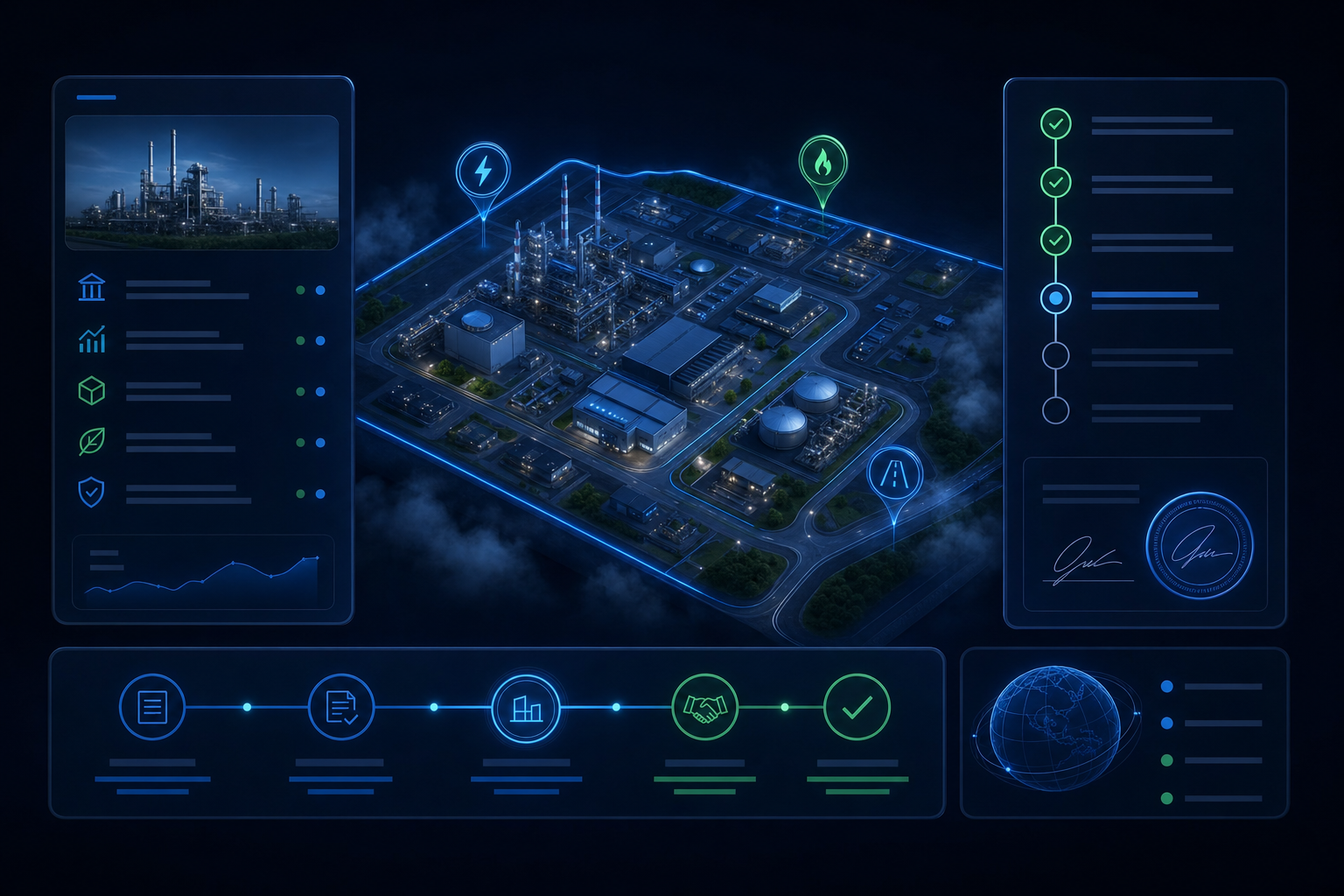
Government Contract Website Development
Websites and portals under government contracts. Strict spec compliance, security requirements, standards-grade documentation and acceptance without nerves.
Government Portal Development
National-ID sign-on, e-services with statuses and an architecture sized for the peak day. A portal that passes acceptance on the first attempt.
Inter-Agency Data Exchange Integration
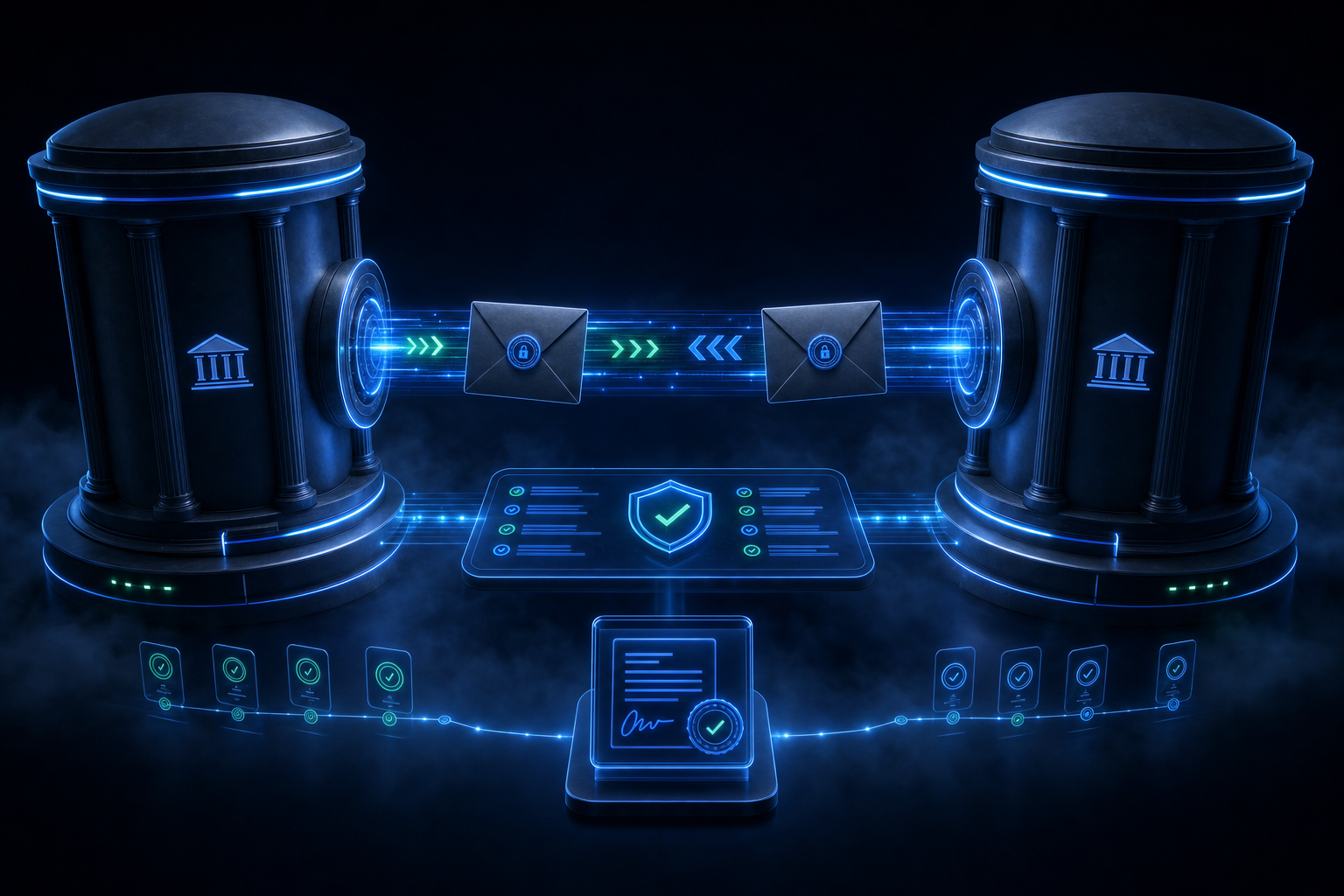
Registry lookups in minutes instead of official letters in weeks. A signed-message adapter, automated failure handling and the certification route walked for you.
FAQ
FAQ about government contracts
01How much does a secure system with certification cost?
From $13,000 for the development with the protection perimeter and the documentation package, 12-20 weeks. The certification tests get paid to the licensed assessor separately. The total depends on the system's class and measure set. The quote follows classification — which we do free at the start.
02Do you conduct the certification yourselves?
Certification is conducted by licensed assessors — a legal requirement. Our zone: build a system that certifies, prepare the document package and walk the tests to a positive conclusion. We work with assessors in a practiced tandem, the process is tuned.
03We already have a system — can it be tuned up for certification?
Yes, we start with a gap audit: what exists, what the class requires, where the holes are. Sometimes tuning and documents suffice, sometimes the architecture needs rework. We'll say honestly after the audit. Delaying is worst: bolt-on-later gets pricier with every month of operation.
04Does data protection law concern only government systems?
No — any organization holding personal data: medicine, education, finance, e-commerce. The public sector adds state system requirements and certification. Commercial systems don't always need the certificate, but a built data protection perimeter shields against regulator inspections and leaks.
05What's in the documentation package?
The classification act, the threat model, the technical passport, protection policies and regulations, administrative orders, the protection system description, role instructions. The key: documents get written from life and match the configurations — the commission cross-checks, and a mismatch is the main rejection cause.
Let’s discuss your project
Free estimate and a proposed solution within one day.