
Government Contract Website Development
Websites and portals under government contracts. Strict spec compliance, security requirements, standards-grade documentation and acceptance without nerves.
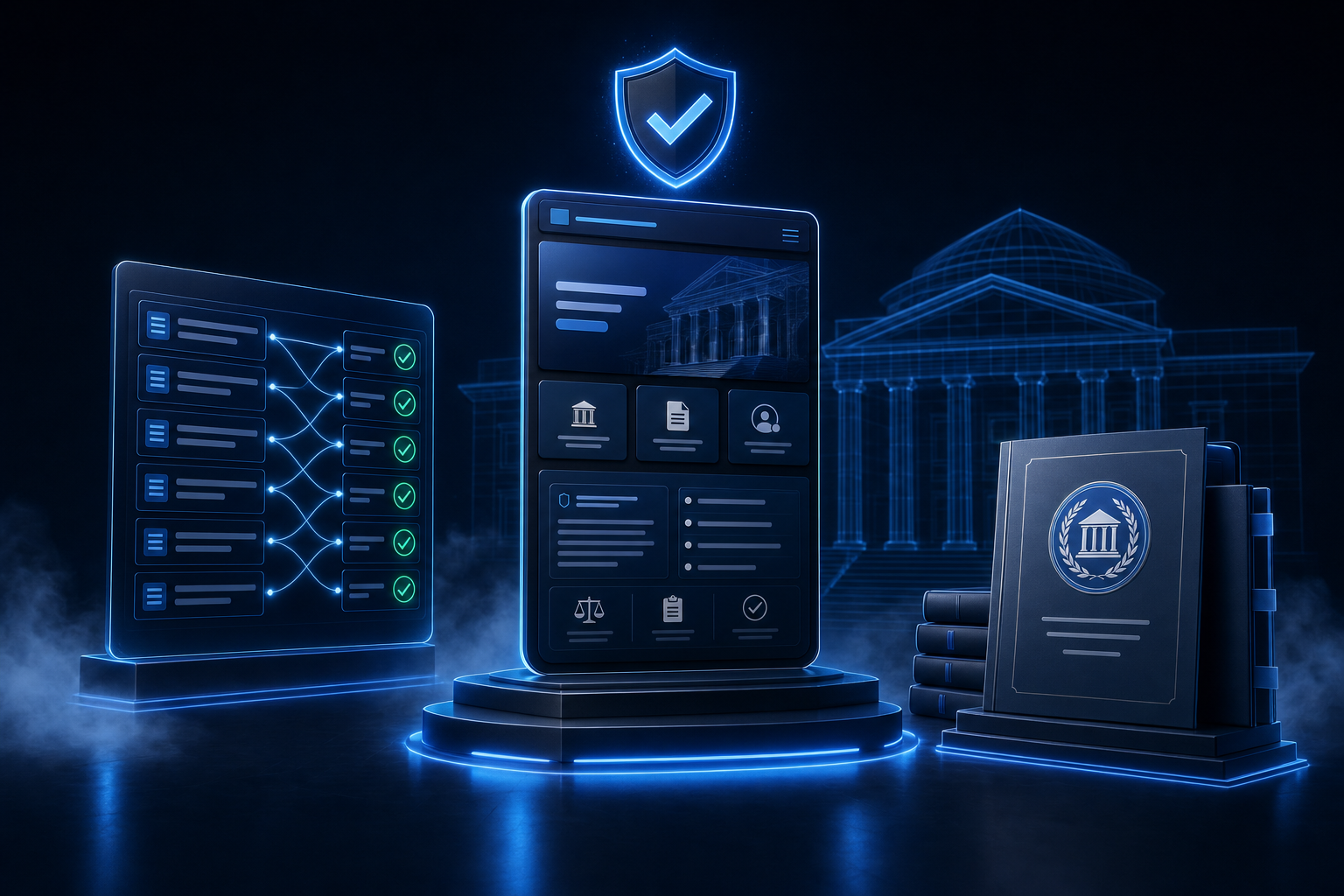
Goals we set for the website
- 100%
- spec requirements traced
- 1
- official acceptance iteration
- 0
- formal review remarks on documents
Sound familiar?
Vendors fear public contracts: an 80-page specification, standards and treasury oversight scare them off
The contractor built "pretty" but off-spec — acceptance failed, the contract at risk, deadlines burning
Security requirements surface at acceptance instead of the start
After delivery the vendor vanished: nobody left to honor warranty obligations
Government Contract Website Development
What's included
Spec traceability
Every requirement in a matrix: where implemented, how verified. Acceptance without surprises
Security circuit
Data protection, threat model, regulator requirements — designed in, not bolted on
Standards documentation
Operational documents, test program, acts — a set that passes formal review
Accessible version
An assistive-technology version people can genuinely use
Trials & acceptance
An internal run through the test program before the official one: known results
Warranty & SLA
Contract support: response times, updates, reporting to the customer
How the project runs
How the project runs
- 1-3 days
Brief & estimate
We dig into the task and give a precise price and timeline
- 1-2 weeks
Prototype & design
Structure, mockups and visual sign-off
- 2-6 weeks
Development
Weekly sprint demos — progress is always visible
- 3-5 days
Launch & support
Testing, production deploy, 6-month warranty
A public contract is a different sport
Development under government contracts differs from commercial work not in code complexity but in the rules of the game. The spec has the force of law. Acceptance runs by documents, not impressions. Security is regulated. Deadlines are fixed by the contract with penalties. Teams used to agile-iterations-we’ll-clarify-as-we-go fail acceptance here with a does-not-match-the-spec verdict — on an outwardly excellent product. We work in both paradigms and know the main thing. In a public contract, traceability discipline wins, not creativity.
Spec traceability: acceptance without surprises
Our method is a traceability matrix from day one. Every spec requirement gets an implementation address and a confirming test. At any moment it’s visible what’s closed, what’s in progress, what needs the client’s clarification. And it gets clarified in writing, not verbally. We go to official acceptance after an internal run through the test program and procedures. The commission’s result is known in advance. The review above about acceptance-in-a-day isn’t luck. It’s the method.
Security: from design, not before handover
Data protection, security requirements, information safeguards — the zone where bolt-it-on-later costs months of rework. We lay the security perimeter into the architecture. The threat model, access separation, audit logging, hosting environment requirements. We prepare the certification package and work in tandem with licensed firms where their authority is required. The system arrives at certification ready. Without surprises and redos.
Standards documentation and accessibility — for real
The standards package — the manuals, the passport, the test program, the acts — we produce as a product, not a burden. Acceptance runs by the test program. The client operates the system by the manuals for years. Compliance review accepts our packages on the first pass. The accessible version for visually impaired users is functional, not a formal stub. A government site must be accessible, and the inspectors look at it ever closer.
Working formats and life after handover
We work as the direct contractor or as a subcontractor for a prime, closing the contract’s web part with the documentation and participation in acceptance. Before your bid we assess the spec free. We’ll say honestly whether the delivery economics reconcile. After handover we don’t vanish. Warranty obligations under an SLA, updates, consultations — and readiness for the next phase, which government systems always have. Our experience runs from investment portals to state information systems, see the cases below.
Related case study
Client reviews
Client reviews
For the first time a vendor came to acceptance with a traceability matrix. Every spec requirement — where it's implemented and which test closes it. The commission passed in a day, zero substantive remarks. That's how everyone should work.
The security and data-protection requirements were laid into the architecture from the first sprint, not bolted on before handover. The system passed certification without rework. For us that's months saved.
We brought them in as a subcontractor for a large contract's web part. The standards documentation came out better than ours for the main system: compliance review accepted it on the first pass. Now we invite them to every lot with web development.
Related solutions
Related solutions
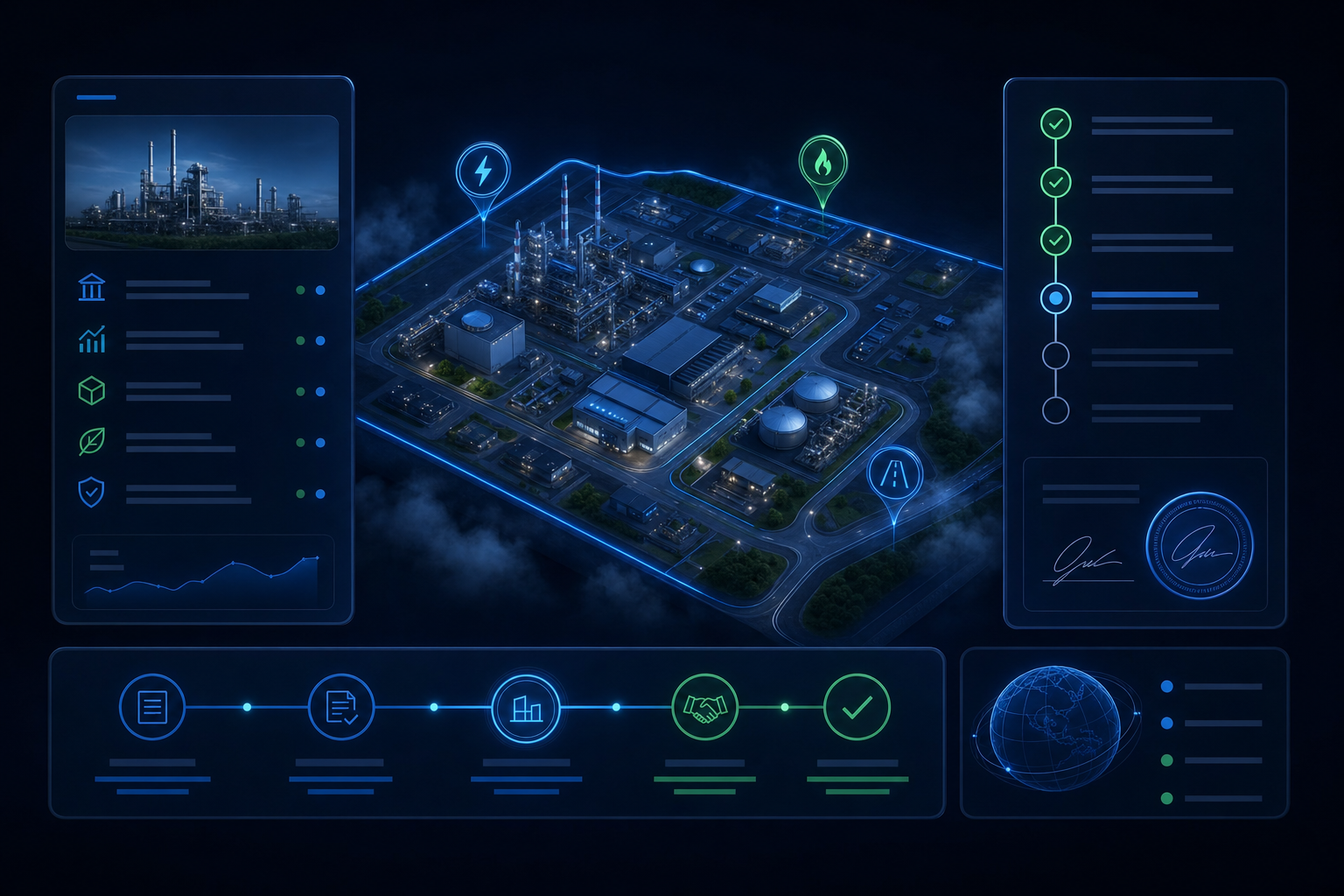
Government Portal Development
National-ID sign-on, e-services with statuses and an architecture sized for the peak day. A portal that passes acceptance on the first attempt.
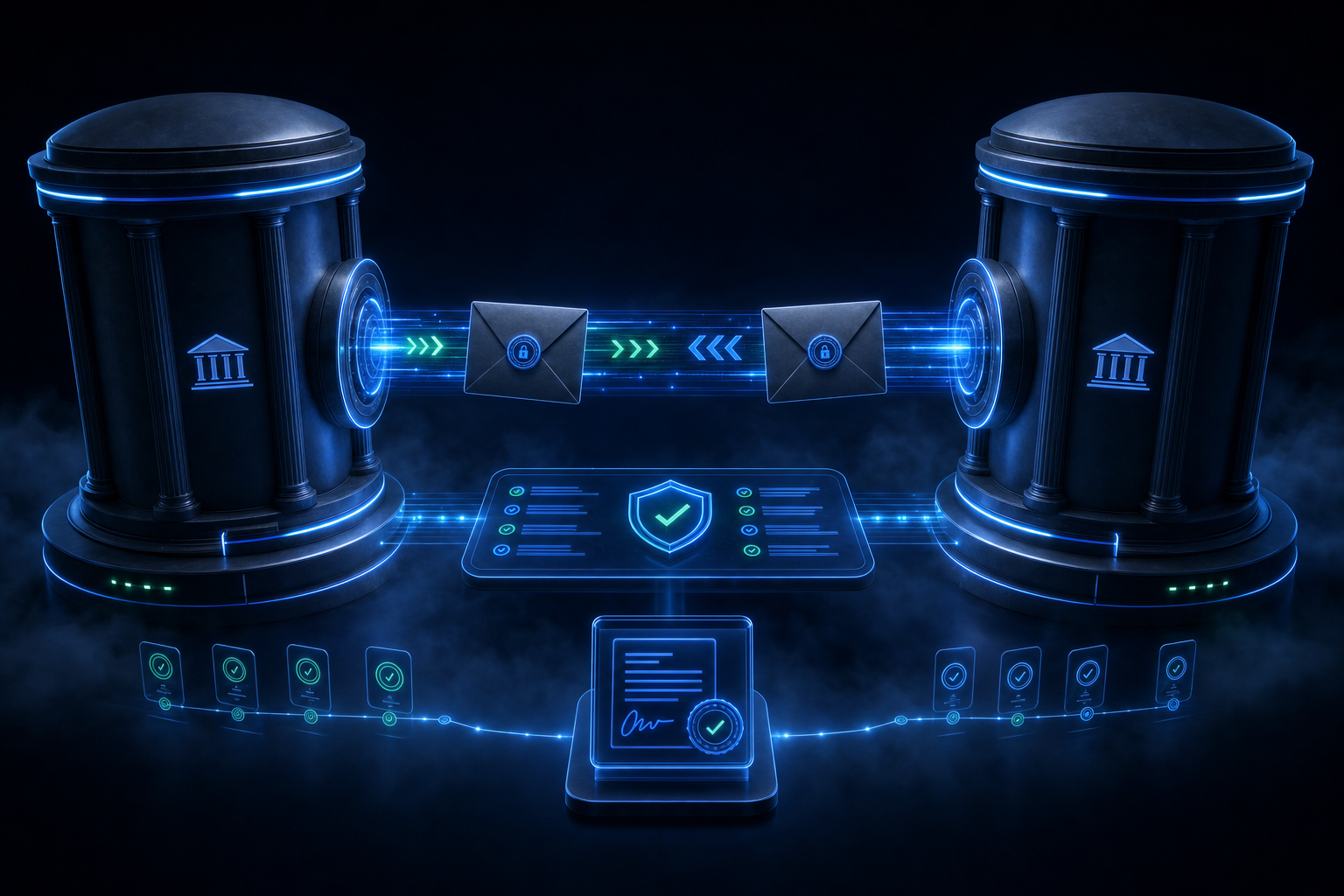
Inter-Agency Data Exchange Integration
Registry lookups in minutes instead of official letters in weeks. A signed-message adapter, automated failure handling and the certification route walked for you.
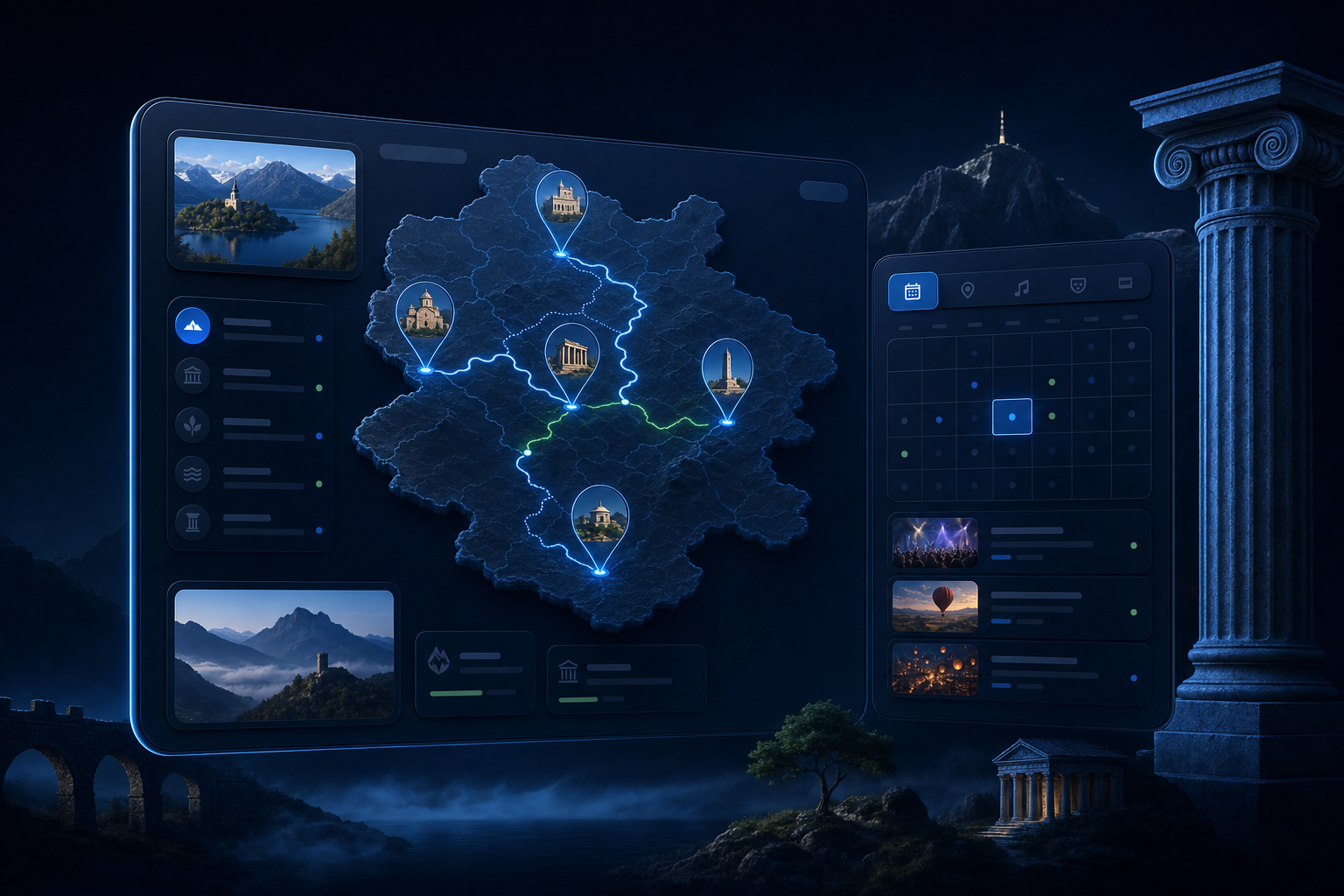
Government Organization Website Development
Disclosure without remarks, standards-grade accessibility and clear services for citizens. A government organization website that passes inspections and serves people.
FAQ
FAQ about government contracts
01How much does a government contract website cost?
From $8,000, the real range is defined by the spec and the contract's value. We assess the spec free before your bid or right after the win. We'll say honestly whether the contract fits the delivery economics.
02Do you work as a subcontractor for a prime contractor?
Yes, it's a frequent format. The prime holds the contract, we close the web development with the documentation and participation in acceptance. We also work directly with the client as the contractor.
03What about security requirements and certification?
We lay them in from design. The threat model, the protected perimeter, the hosting environment requirements, preparing the certification package. We work in tandem with licensed security firms where their authority is required. At acceptance, security doesn't become a surprise.
04Is the full standards documentation really needed?
Under the contract — yes, and we produce it properly. User and administrator manuals, the system passport, the test program and procedures, the acts. It's not a formality. Acceptance runs by the test program, and the client lives by the manuals after handover. Our packages pass compliance review on the first try.
05What happens after the contract is delivered?
We fulfill the warranty obligations in full under the contract. An SLA for incidents, updates, client consultations. Optionally — a development contract. Government systems always have a next phase.
Let’s discuss your project
Free estimate and a proposed solution within one day.