
Government Portal Development
National-ID sign-on, e-services with statuses and an architecture sized for the peak day. A portal that passes acceptance on the first attempt.
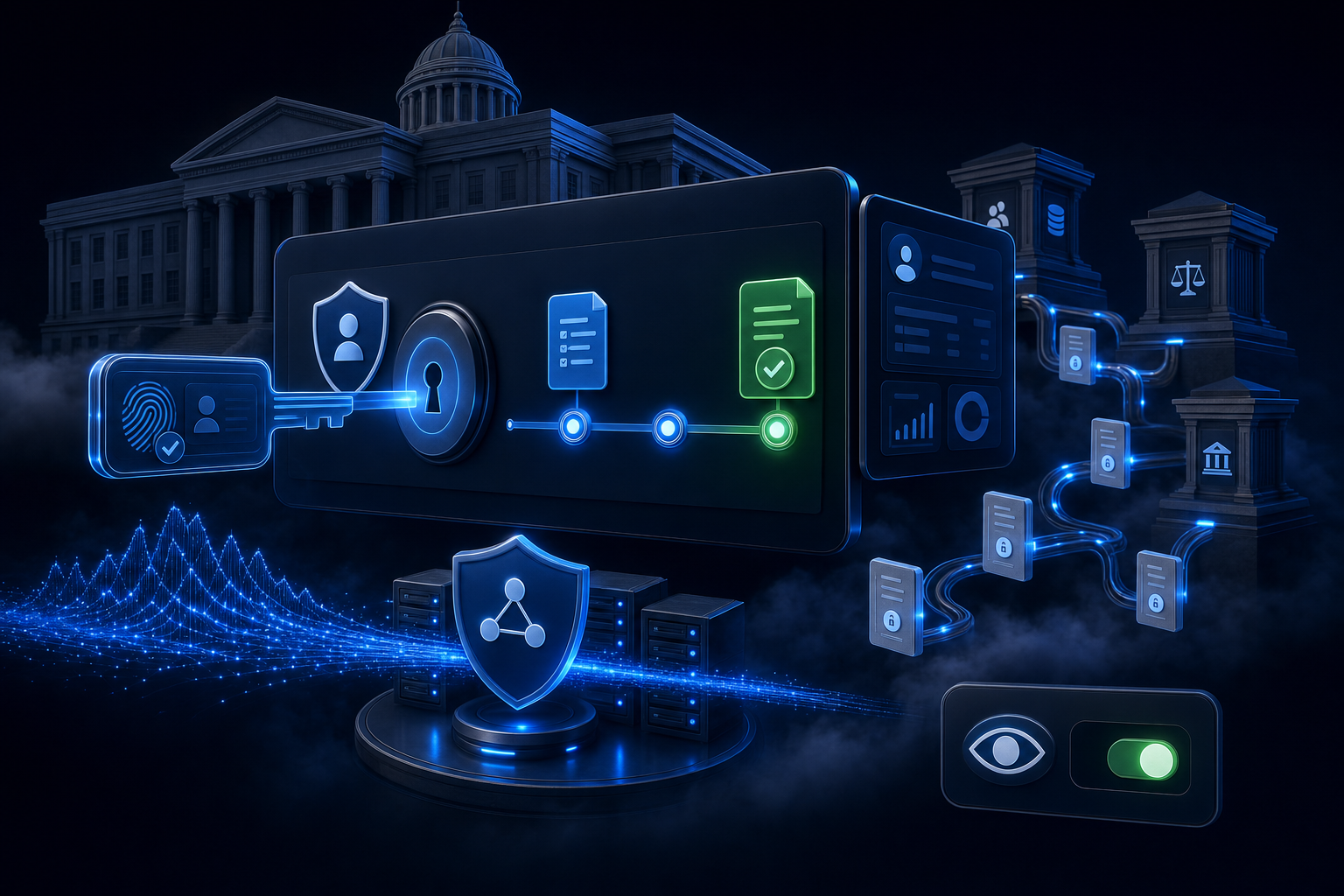
Goals we set for the website
- peaks
- application days without downtime
- WCAG
- accessibility as the norm, not an option
- tender
- the procurement process end to end
Sound familiar?
The portal crashes on the first application day — exactly when it matters most
Requirements are scattered across data-protection law, security orders and accessibility standards — a vendor discovers them at acceptance
"The site was built by a company that no longer exists" — nobody's left to implement a new regulation
Commercial studios quit the tender distance: strict specs, stage gates, warranties and reporting are foreign to them
Government Portal Development
What's included
The load circuit
The portal is engineered for its worst day — the application-window opening, not average traffic
Verified sign-on
Single sign-on with the national ID system: no new passwords, the applicant's identity confirmed
Services with statuses
An application is filed online and lives in the dashboard: statuses, documents, notifications — no "where is mine" calls
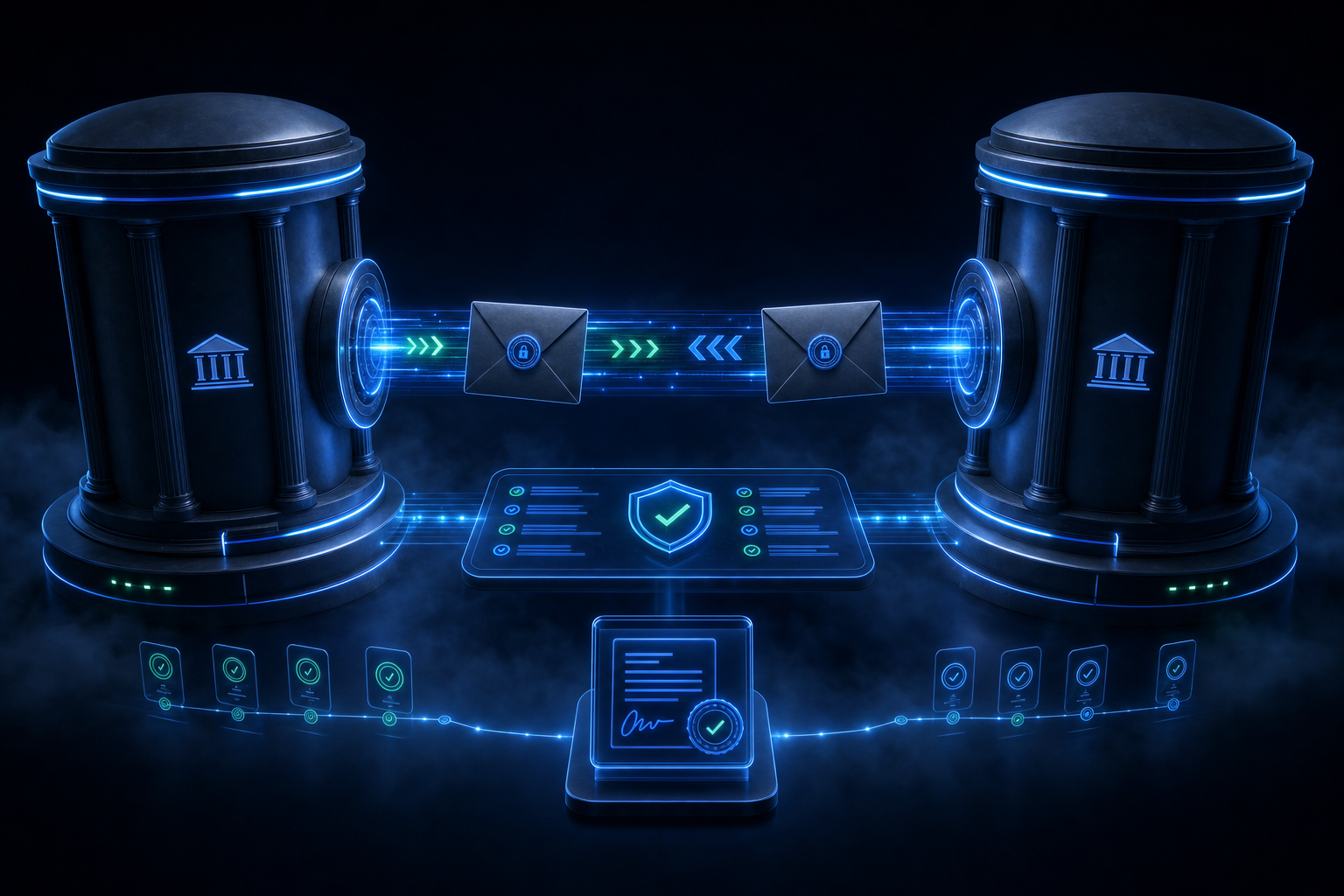
Inter-agency exchange
Registry lookups and agency systems connect by design, not as an "upgrade later"
WCAG accessibility
Contrast, keyboard navigation, screen-reader support — verified before acceptance, not after complaints
Tender without surprises
Specs, stage gates, documentation, warranty obligations — a process fluent in public procurement
How the project runs
How the project runs
- 1-3 days
Brief & estimate
We dig into the task and give a precise price and timeline
- 1-2 weeks
Prototype & design
Structure, mockups and visual sign-off
- 2-6 weeks
Development
Weekly sprint demos — progress is always visible
- 3-5 days
Launch & support
Testing, production deploy, 6-month warranty
Government portal development is a set of obligations: law, load, acceptance
A commercial site has a client. A government portal has the law, the regulation and the auditor. Requirements are scattered across data-protection acts, security orders, accessibility standards and agency guidelines. A vendor without public-sector experience discovers them at acceptance, when redoing is late and expensive. We assemble every requirement into the spec before the start and run the project so acceptance becomes a formality. The project lead’s review puts it simply: passed on the first attempt, without remarks.
Peak load on a government portal: tested on the worst day, not the average
A government portal’s average traffic is modest. But the portal exists for the peaks. An application window opening, a booking launch, a payout day — that’s when everyone needs it. And that’s when systems engineered for the average go down. We engineer for the peak. Headroom in the architecture, caching, queues on heavy operations, load tests in the acceptance program. In the IT director’s review, the new portal held twenty times the traffic on application day. The previous one collapsed on the same day, with a press scandal.
National-ID sign-on and online public services: the queue moves into the dashboard
The portal pays off when a service needs no front office. The citizen signs in through the national ID system, files an application through a guided form, follows the status in the dashboard and gets notifications. No new accounts, the identity is already verified. For the agency it’s a queue turned into a structured flow. Applications are valid, documents attached, the history visible. In the administration head’s review, online applications grew from 20 to 70% in half a year. That is what a removed barrier looks like.
Inter-agency integrations and state registries: by design, not “later”
A government portal is no island. Certificates come through inter-agency exchange, data lives in state registries, datasets get published as open data. The integration circuit is designed at the start: formats, connection regulations, failure handling. Because “we’ll add it later” in a public contract means a new tender a year on. The inter-agency integration is our neighboring niche. If an agency needs the exchange circuit alone, we build it separately too.
WCAG accessibility, data protection and portal support after the act
The assistive mode is a working regime, not a footer badge. Contrast, scaling, keyboard navigation, screen-reader compatibility. We verify it before acceptance, not after complaints. Personal data sits in a protection circuit: residency, access segregation, logging, certification-ready infrastructure. After the act the portal isn’t orphaned. Sources and documentation are handed over, staff get trained, support runs under warranty and contract. Nearby sit the procurement-compliant website, the inter-agency integration and the regional portal case. The whole government line lives in one place.
Related case study
Client reviews
Client reviews
National-ID sign-on removed the main barrier. People don't need yet another account, and online applications grew from 20 to 70 percent in half a year. The queue at the front office finally stopped being the norm.
We feared acceptance more than development. Our previous two contracts closed with a fight. Here the documentation and test protocols were prepared alongside the work, and we passed on the first attempt. Not a single remark.
The previous portal went down on day one of an application window. With a press scandal. The new one held twenty times the traffic on the same day. The load tests were in the spec for a reason.
Related solutions
Related solutions
Government Contract Website Development
Websites and portals under government contracts. Strict spec compliance, security requirements, standards-grade documentation and acceptance without nerves.
Inter-Agency Data Exchange Integration
Registry lookups in minutes instead of official letters in weeks. A signed-message adapter, automated failure handling and the certification route walked for you.
Government Organization Website Development
Disclosure without remarks, standards-grade accessibility and clear services for citizens. A government organization website that passes inspections and serves people.
FAQ
FAQ about government contracts
01How much does a government portal cost?
From $25,000 for 16-24 weeks. That covers verified sign-on, e-services with statuses, integrations, accessibility and the data-protection circuit. The range depends on the number of services and security requirements. We'll help prepare the tender cost justification too.
02Do you work through public procurement?
Yes, it's our profile. We bid in tenders, work in stages with closing documents, provide warranties and support. The spec as law, protocol-based acceptance, reporting — we know this world. A regional portal case sits in the selection below.
03What does national-ID sign-on deliver and how hard is it to connect?
The citizen enters with a verified government account. No new passwords, the entry barrier falls, the online share grows. In the review above it went from 20 to 70%. The connection itself is a regulated procedure with the ID operator. We've passed it repeatedly and handle the paperwork ourselves.
04How are accessibility and personal data handled?
Accessibility follows WCAG 2.1 AA. Contrast, scaling, keyboard navigation, screen-reader support — all verified before acceptance. Personal data lives in a protection circuit: residency, access segregation, logging. We prepare the infrastructure for certification audits and pass them together with an accredited assessor.
05What happens to the portal after the contract closes?
It won't be orphaned. We hand over the sources, documentation and manuals, train your staff and support under warranty. Then a support contract or evolution under new specs. New regulations and services land on the same architecture.
Let’s discuss your project
Free estimate and a proposed solution within one day.