
Courier and Logistics Mobile App
The route in the courier's phone, statuses in real time and offline that doesn't fail. A delivery app: dispatch sees everything, the client sees theirs.
Goals we set for the website
- +25%
- deliveries per courier per shift
- −80%
- where-is-my-order calls
- 12-16 weeks
- to the release
Sound familiar?
Couriers run on paper sheets and calls: where anyone is driving, nobody knows
Delivery proof is an honest word: the never-delivered disputes get settled with nerves
The signal dropped — the work stopped: an app without offline is useless in a warehouse or basement
The client calls dispatch about the order, dispatch calls the courier: a broken telephone all day
Courier and Logistics Mobile App
What's included
The day's route
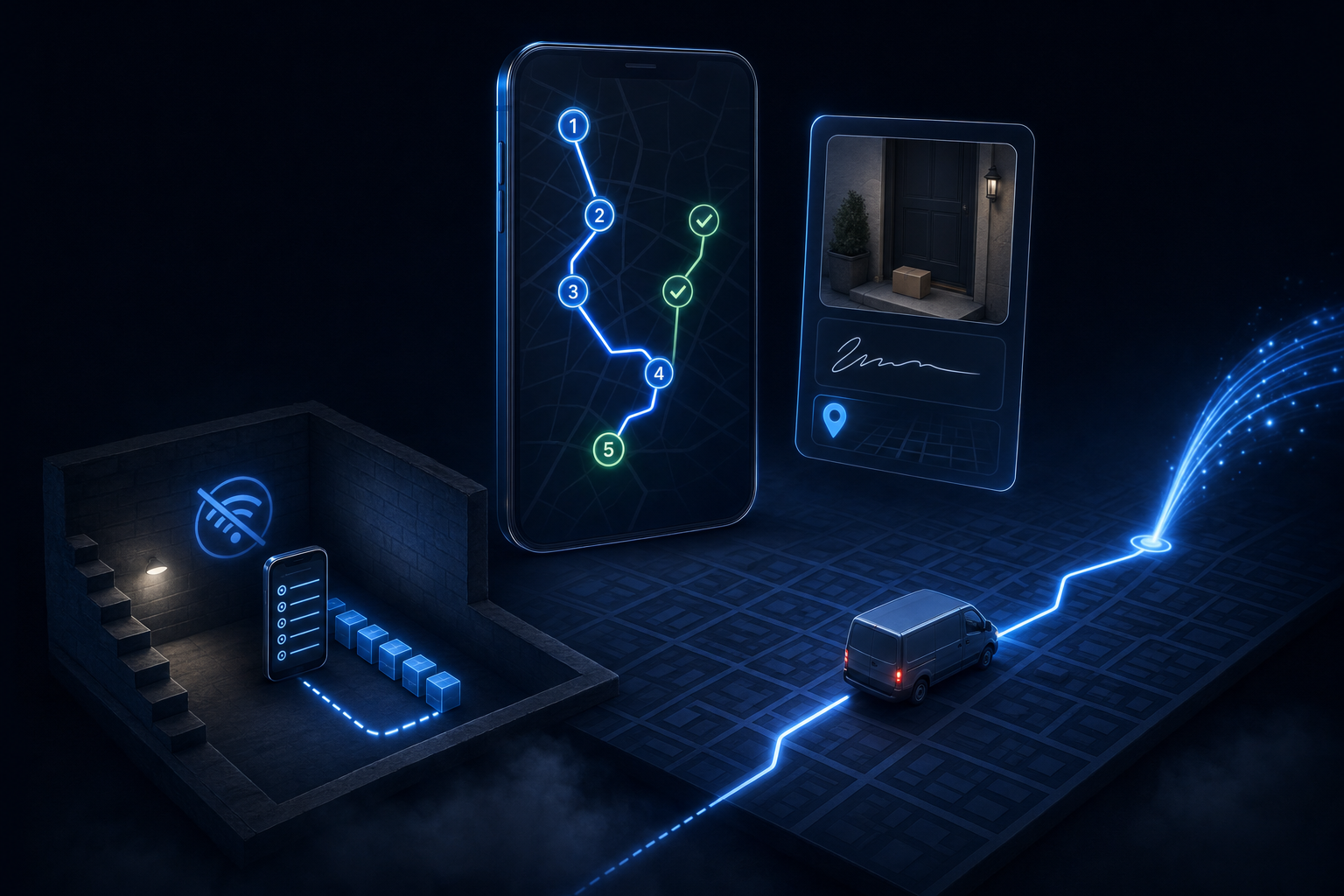
Orders in optimal sequence, navigation in a tap, rebuilds on changes: the courier drives, not deciphers
Live statuses
Every stage moves from the phone in two taps: dispatch sees the whole shift without calls
Provable delivery
A door photo, an on-screen signature, a geotag and the time: the never-delivered dispute closes in a minute
Offline-first
Warehouses, basements, industrial zones: everything works without a network and syncs when it returns
Client tracking
A link with the map and the delivery window: where-is-my-order stops being a dispatch call
Battery economy
Geolocation with smart sampling: the courier's phone lives the shift, not till lunch
How the project runs
How the project runs
- 1-2 weeks
Discovery & prototype
User flows, a clickable prototype, an estimate and release plan
- 2-3 weeks
UI design
Screens per iOS and Android guidelines, the app design system
- 6-14 weeks
Build & testing
Sprints with demo builds every two weeks; backend and integrations in parallel
- ongoing
Release & growth
App Store and Google Play publication, monitoring, metric-driven updates
Delivery is field data: without it, dispatch manages blind
While couriers run on paper sheets and calls, logistics lives in fog: where anyone drives — unknown, what was handed over — an honest word, where-is-my-order — a broken telephone through dispatch. The app turns every courier into a data source: real-time statuses, geotagged proofs, routes with actual execution. In our delivery service case, couriers started making a quarter more stops per shift — on routing and transparency alone.
The day’s route: the courier drives, not deciphers
A courier’s shift starts with a ready route: orders in optimal sequence, navigation in one tap, delivery windows and client comments at hand. The day’s changes — a cancellation, an urgent stop — rebuild the route on the fly, without calls or paper. Dispatch assigns and reassigns orders from the screen, seeing the whole shift: who’s where, who’s on time, whose is burning. The courier doesn’t think about logistics — they deliver.
Provable delivery: disputes close in a minute
Never-delivered is an expensive dispute category: proceedings, no-fault refunds, spoiled relationships. Provable delivery closes it architecturally: a door photo, the recipient’s on-screen signature, a geotag and the time — all attached to the order. In the city logistics head’s review, dispute losses fell severalfold: opened the proof — the question closed. For B2B clients it’s also a sales argument: your delivery is provable.
Offline-first: basements and warehouses don’t stop the shift
Delivery’s reality is mall basements, shielded warehouses, no-signal industrial zones. An app demanding internet for every tap is useless there. We build offline-first: the route on the device, statuses and photos written locally, sync when the network returns — queued and lossless. In the courier company CTO’s review, exactly the offline proved the deciding requirement that broke competitor solutions. The battery lives the shift meanwhile: geolocation samples smartly.
Client tracking, integrations and the place in the stack
A link with the courier on the map and an honest arrival window removes 80% of the where-is-my-order calls: the client checks themselves. The app embeds into your circuit: orders from your management system, statuses back, a dispatch board included or an integration with the existing one. Nearby sits our logistics stack: the transport company CRM, field team mobile solutions — the cases are in the trio below. The delivery field circuit assembles with one vendor.
Related case study
Client reviews
Client reviews
Routing lifted the density: a courier makes a quarter more stops per shift because they don't puzzle over the sequence or sit in traffic out of ignorance. Dispatchers stopped being an information desk — the whole shift shows on the screen.
The door photo and signature killed the never-delivered dispute category. Each such case used to mean an hour of proceedings and often a no-fault refund. Now we open the proof with the geotag — the question closes. Dispute losses fell severalfold.
The offline mode proved the deciding requirement. Half the handovers happen in mall basements and no-signal warehouses. The app works as if nothing happened and syncs on the way out. Competitor solutions broke on this — ours doesn't.
Related solutions
Related solutions
Food Delivery App Development
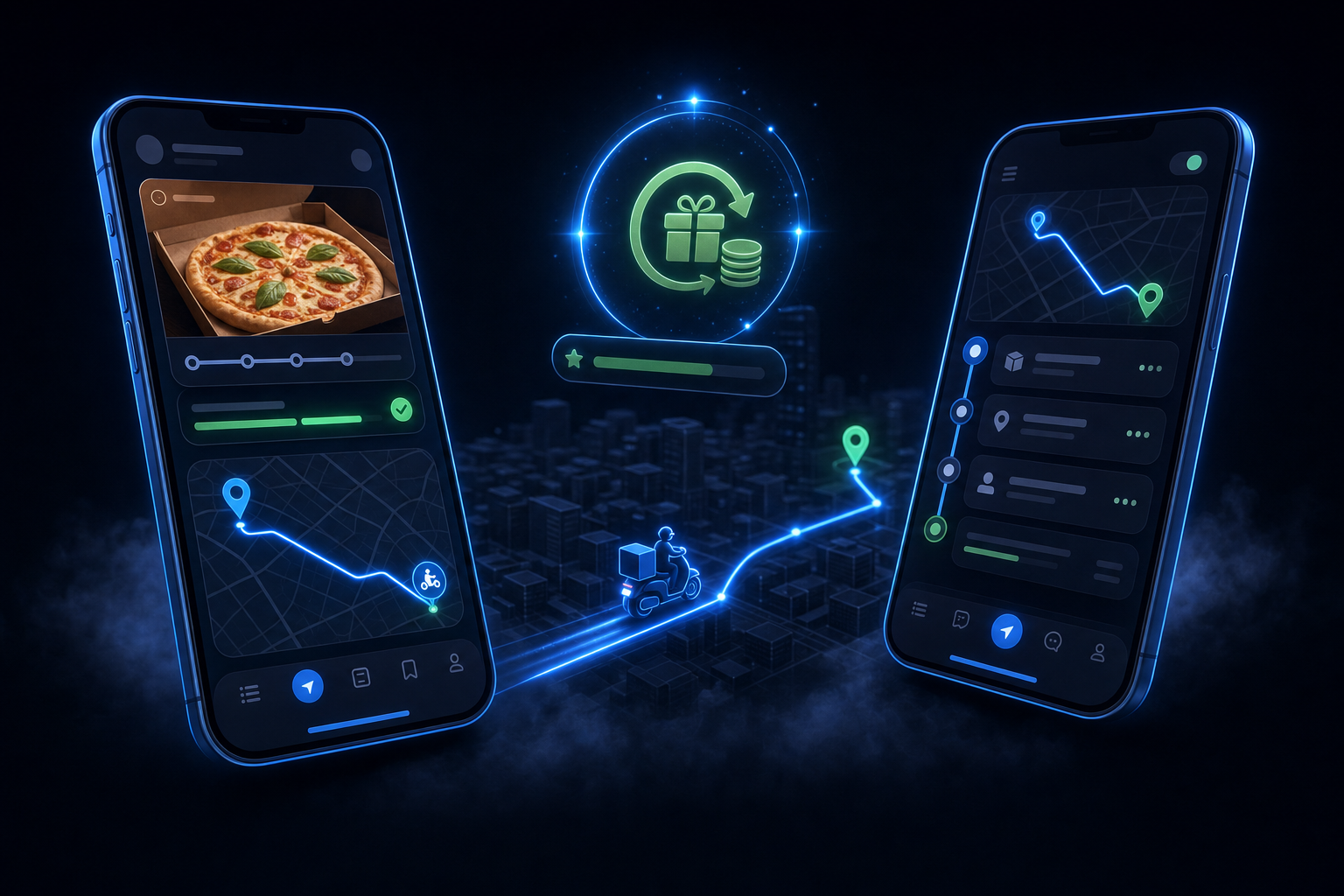
A client app plus a courier circuit. A one-minute order, map tracking and pushes instead of retargeting. Your own channel instead of aggregator commissions.
Beauty Salon App Development
A two-tap booking with a specific stylist, pushes against no-shows and points instead of a stamped card. A salon app that brings clients back.
E-commerce Mobile App Development
One-tap checkout, pushes instead of expensive retargeting and the catalog from the same ERP. The app as the repeat-purchase channel.
FAQ
FAQ about mobile development
01How much does a courier app cost?
From $13,000, released in 12-16 weeks. That covers route sheets, statuses, photo proof, the offline mode, client tracking and the dispatch link. The range depends on the integrations with your delivery management system. The quote follows a free briefing.
02How does the offline mode work?
On the offline-first principle: the route and orders live on the device, statuses, photos and signatures write locally and sync when the network returns — queued and lossless. A courier in a mall basement works as usual. For delivery it's not a feature but a survival condition.
03Do you integrate with our delivery management system?
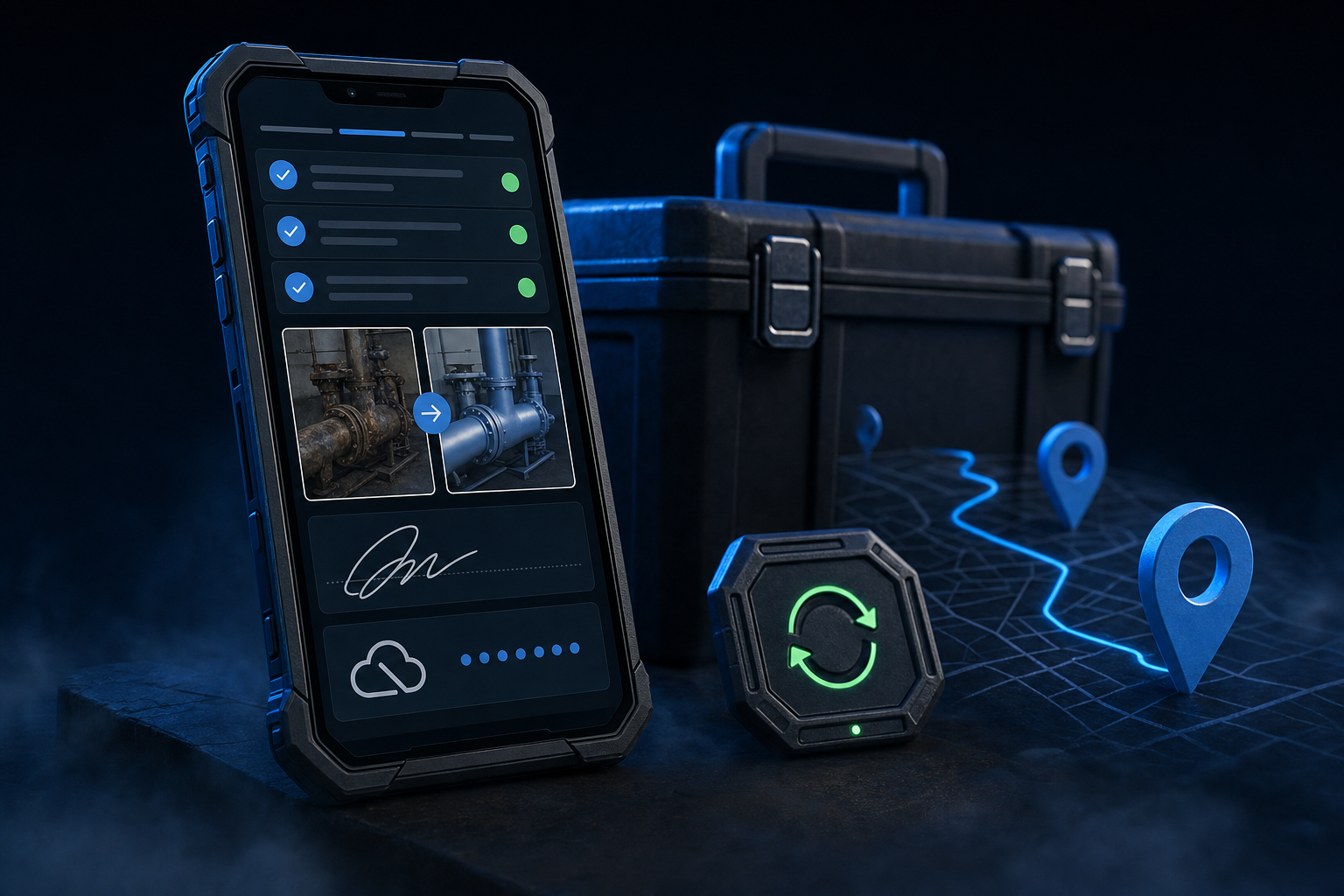
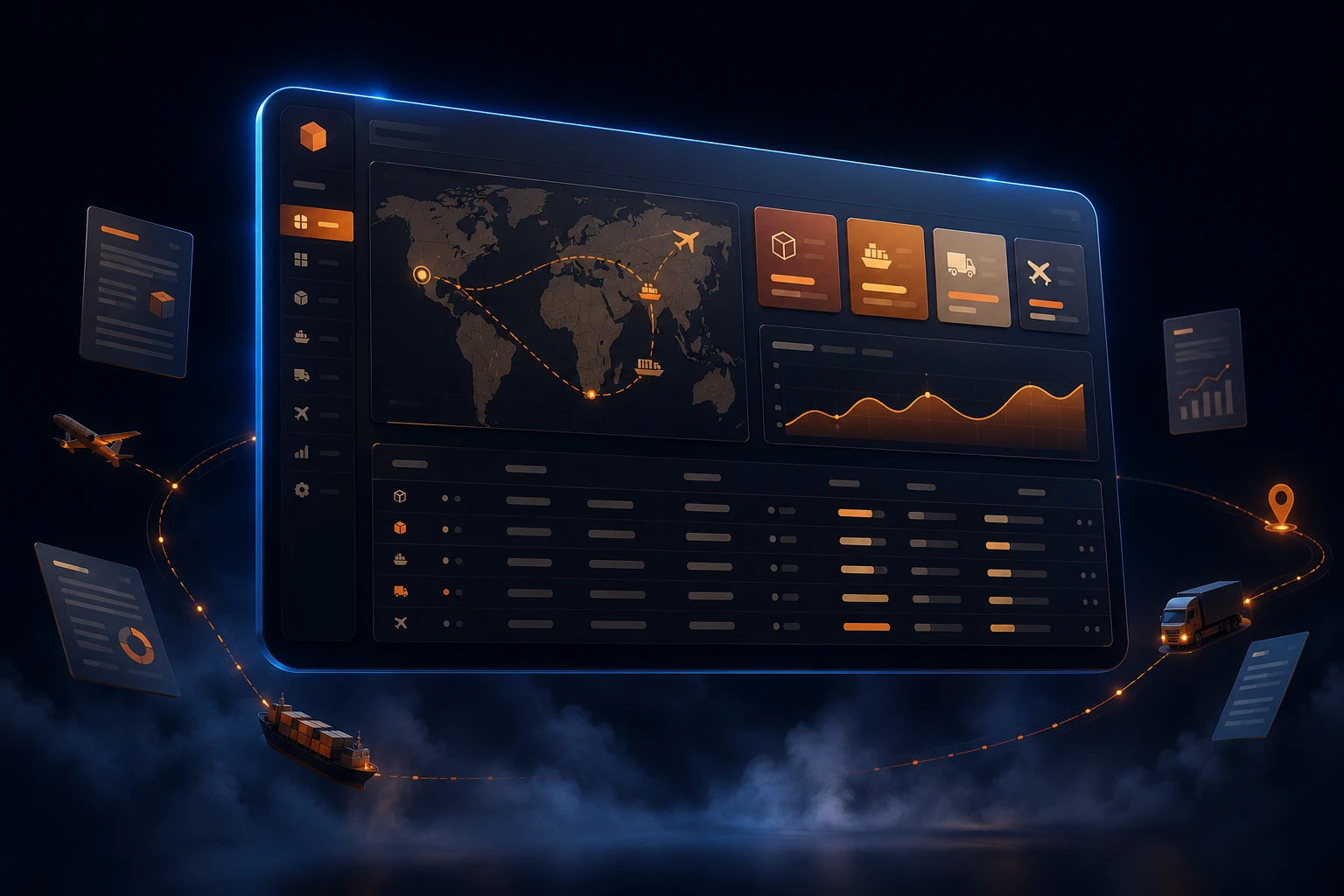
Yes, the app is your circuit's field link: orders and assignments arrive from your system or our dispatch board, statuses and proofs return into it. The transport company CRM is our neighboring niche — the link gets designed as one.
04How precise is the tracking, and what about the battery?
Geolocation samples smartly: more often in motion, less at a stop, respecting Android's and iOS's power-saving modes. The phone lives a full shift. The client sees the courier on the map with a realistic arrival window, not a jumping dot.
05Couriers are high-churn staff. How hard is the training?
The interface is built for a shift without training: large buttons, two-three taps per action, no text entry in the cold. A new courier starts working after ten minutes of acquaintance. That's deliberate design: the simpler the field, the cleaner dispatch's data.
Let’s discuss your project
Free estimate and a proposed solution within one day.