
Flutter App Development
One codebase for both platforms, native speed and 30-40% off the budget. Plus an honest talk about the cases where Flutter isn't your choice.
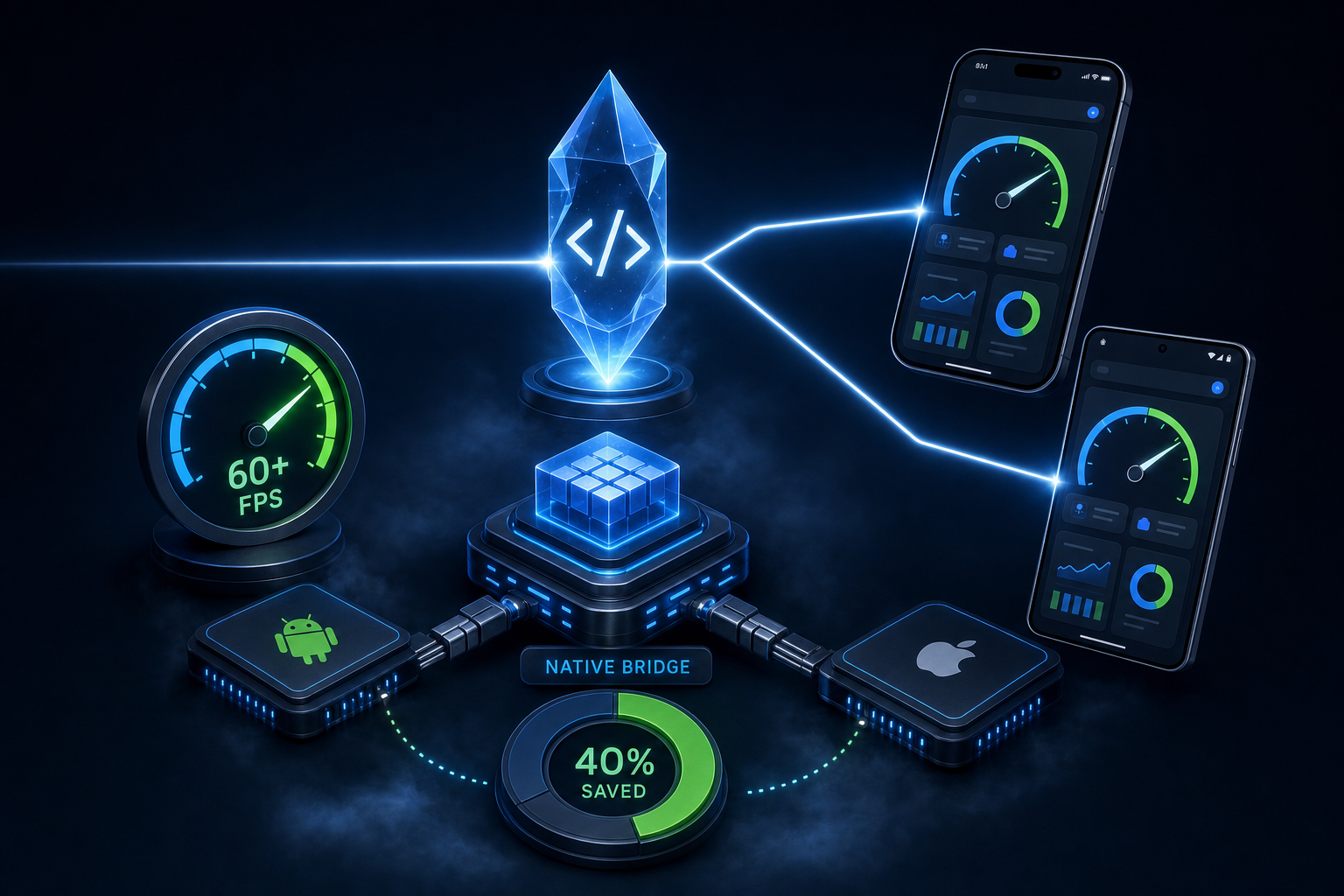
Goals we set for the website
- −30-40%
- budget vs two native builds
- 100%
- iOS and Android feature parity
- 60+ FPS
- native interface smoothness
Sound familiar?
Two native teams mean a double budget, double bugs and versions living out of sync
"Cross-platform" scares with stories of jank and missing native features
Hard to know whom to trust: every vendor praises the stack they write in
Frightening to commit to a technology that might die in two years
Flutter App Development
What's included
One code — two platforms
A feature is written once and ships to iOS and Android simultaneously: parity by definition
Native speed
Flutter compiles to machine code: 60+ FPS animations, response without "webview jelly"
The −40% economics
One team instead of two: a smaller build budget and every future feature at half price
Native bridges
Platform SDKs connect as modules: biometrics, payments, camera — as in native
The design system
Pixel-perfect across platforms or respect for platform patterns — per the task
A mature ecosystem
Backed by Google, used by the largest products: a stack with a long life horizon
How the project runs
How the project runs
- 1-2 weeks
Discovery & prototype
User flows, a clickable prototype, an estimate and release plan
- 2-3 weeks
UI design
Screens per iOS and Android guidelines, the app design system
- 6-14 weeks
Build & testing
Sprints with demo builds every two weeks; backend and integrations in parallel
- ongoing
Release & growth
App Store and Google Play publication, monitoring, metric-driven updates
Flutter is our default choice — and here’s why that benefits you
Every app in our mobile portfolio — delivery, stores, fitness, clinics — is built on Flutter. That’s not fashion but computed economics. One codebase instead of two natives. One team instead of two. Every feature written once. For the client that means 30-40% off the budget and timeline at the start, and every future update at half the price. The natives’ double price is justified in single-digit percent of projects. We’ll say honestly if yours is one.
Native speed: the lag myth is outdated
The cross-platform fear was born from webview wrappers, technologies drawing the interface through a browser. Flutter is built differently. The code compiles to machine code, the engine draws the interface itself at 60+ FPS. A user can’t tell a Flutter app from a native one. In the marketplace CEO’s review, “a year in, users see no difference”. For the doubtful, we show a prototype with their scenarios before the contract. The fear usually turns out several years outdated.
One code: platform parity by definition
The classic pain of two natives: versions live out of sync. A feature ships on iOS a month before Android, or the other way around. Bugs get fixed twice and differently. One codebase removes the genre entirely. A feature is written once and ships on both platforms simultaneously. Behavior is identical, testing is one circuit. Design follows the task: pixel-for-pixel across platforms, or respect for platform patterns where users expect them.
Native bridges and honest boundaries
Platform capabilities are fully available. The camera, biometrics, payments, pushes — through mature modules. The exotic — specific banking SDKs, non-standard hardware — through pinpoint native bridges in Swift and Kotlin, planned into the quote at the start. And the honest list of when Flutter isn’t the choice: heavy 3D and AR, watch-first products, apps built around one platform SDK. Such cases are single-digit percent. If yours is one, we say so at the briefing, not mid-project.
The ecosystem and our experience
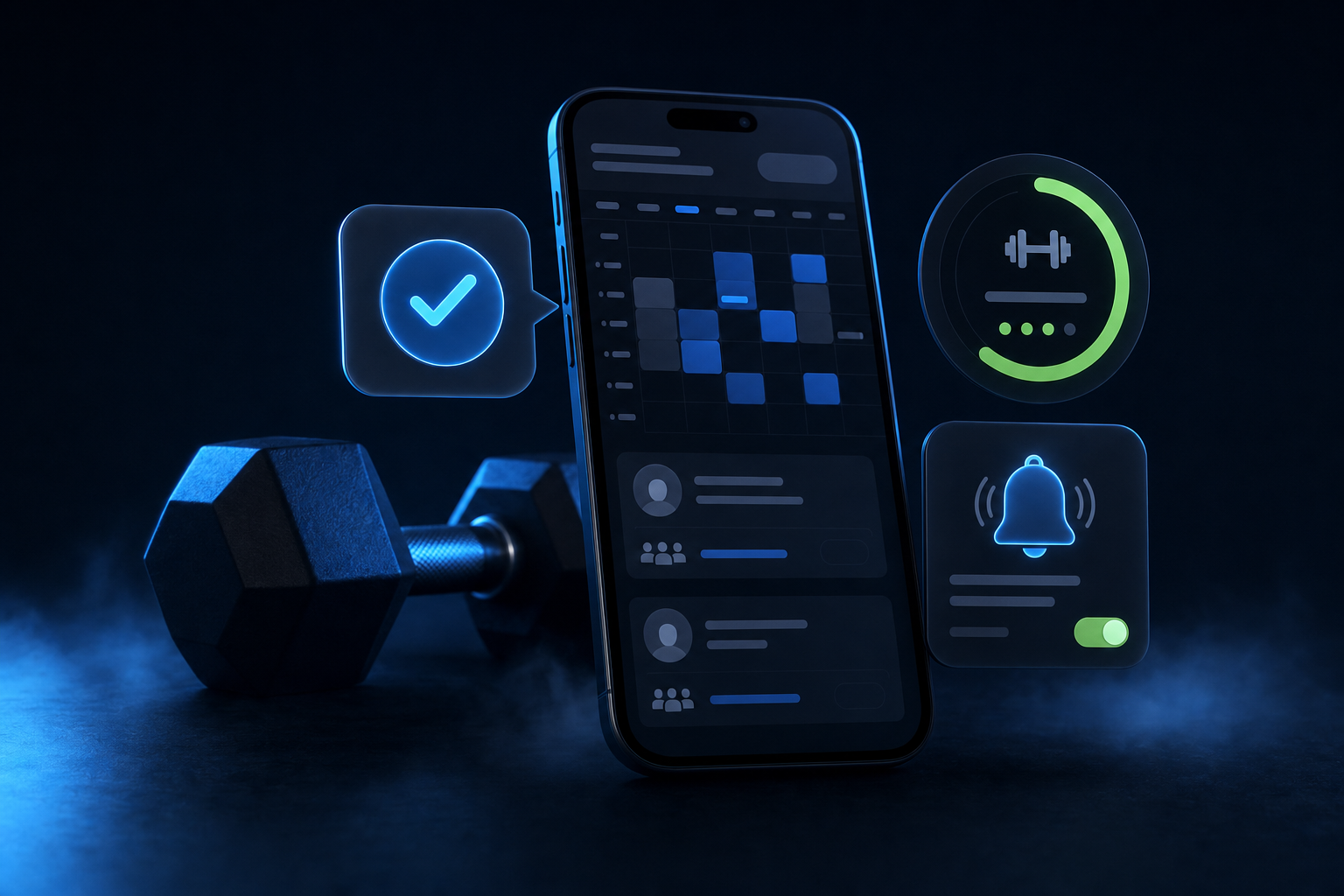
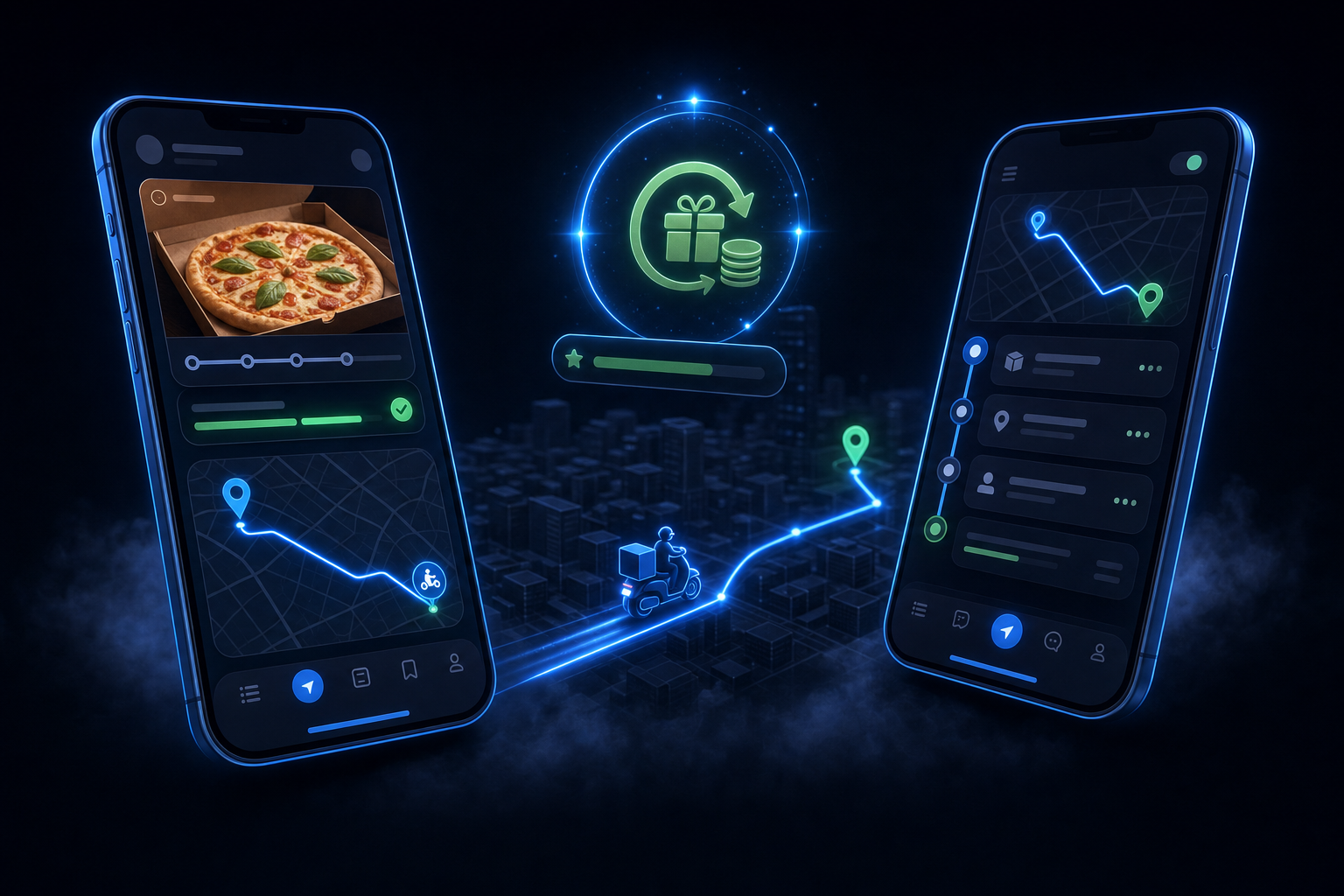
Google develops Flutter, global-scale products run on it, the developer market is cross-platform’s largest. A stack with a long horizon. Our experience is the whole mobile portfolio. E-commerce with catalogs of tens of thousands of SKUs, delivery with maps and tracking, fitness and clinics with integrations. The cases are in the trio below. Whatever app you’re planning, most likely we’ve already built something similar on Flutter. And know the pitfalls before the start.
Related case study

Client reviews
Client reviews
We priced two natives — the economics didn't reconcile even with the investment. Flutter gave both platforms for one's budget. And the main thing: every next feature costs once, not twice. A year in I can say users see no difference from native.
I feared the cross-platform-lag stories and asked for a prototype before the contract. Got a screen with heavy animations. Flies like native, on mid-range Androids too. The fear turned out several years outdated.
I value the honesty at the start. Our app had a module with a specific banking SDK — they said straight where the native bridge would be and what it adds to the quote. No surprises mid-project.
Related solutions
Related solutions
Food Delivery App Development
A client app plus a courier circuit. A one-minute order, map tracking and pushes instead of retargeting. Your own channel instead of aggregator commissions.
Beauty Salon App Development
A two-tap booking with a specific stylist, pushes against no-shows and points instead of a stamped card. A salon app that brings clients back.
E-commerce Mobile App Development
One-tap checkout, pushes instead of expensive retargeting and the catalog from the same ERP. The app as the repeat-purchase channel.
FAQ
FAQ about mobile development
01How much does Flutter development cost?
From $9,000 as an MVP from the neighboring niche. Product apps usually run $12,000-38,000 depending on the scope. Against two native teams the saving is 30-40% on development and up to 50% on every future feature. The quote is free after a briefing.
02Does Flutter really not lag?
Really. Unlike webview wrappers, Flutter compiles to machine code and draws the interface itself at 60+ FPS. The lag stories are either about other technologies or about crooked hands. If in doubt, we'll show a prototype with your scenarios before the contract.
03When does Flutter NOT fit?
The honest list: heavy 3D and AR, apps built around one specific platform SDK, extreme binary size requirements, watch-first products. That's single-digit percent of cases. But if yours is one of them, we'll say so at the briefing and price the native option.
04What about native features — the camera, payments, biometrics?
They work fully. Platform APIs have mature modules, and for the exotic we write a pinpoint native bridge in Swift or Kotlin. The CTO's review above is exactly such a case with a banking SDK. The bridge gets planned into the quote at the start, no mid-project surprises.
05Won't Flutter die in a couple of years?
Google develops the stack, and products the scale of global banks and marketplaces run on it. The community and developer market are the largest in cross-platform. Nobody guarantees eternity. But by maturity combined it's today's safest cross-platform choice and our default stack.
Let’s discuss your project
Free estimate and a proposed solution within one day.