
Government Organization Website Development
Disclosure without remarks, standards-grade accessibility and clear services for citizens. A government organization website that passes inspections and serves people.

Goals we set for the website
- 0
- disclosure and accessibility remarks
- ×2
- appeals through the site instead of queues
- 8-14 weeks
- to the site's launch
Sound familiar?
Inspectors find violations: mandatory information undisclosed, stale or buried
The accessible version is a formal stub failing the standard: a remark at the first inspection
A citizen can't find a service: the site is built from the org chart, not the visitor's tasks
News, documents and procurement get published through a programmer: content goes stale for weeks
Government Organization Website Development
What's included
The disclosure map
Your organization type's requirements turn into a structure: every item in its place and current
Accessibility for real
The accessibility standard: contrast, scaling, screen readers — passes inspection, serves people
Citizen routes
Submit-an-appeal, book-an-appointment, find-a-document: navigation from tasks, not departments
Appeals online
A form with routing, statutory reply deadlines, statuses to the applicant, the data protection circuit
On-time publications
Procurement, reports, documents: an editor publishes in minutes, the posting date gets fixed
Integrations
Government services, data exchange gateways, internal systems: the site embedded in the circuit, not hanging apart
How the project runs
How the project runs
- 1-3 days
Brief & estimate
We dig into the task and give a precise price and timeline
- 1-2 weeks
Prototype & design
Structure, mockups and visual sign-off
- 2-6 weeks
Development
Weekly sprint demos — progress is always visible
- 3-5 days
Launch & support
Testing, production deploy, 6-month warranty
A government website serves two audiences — citizens and inspectors
A government organization’s site lives a double life. For citizens it’s the point of services and information. For inspectors it’s an object of control: information disclosure, accessibility, publication deadlines, appeal handling. Failing either role costs dearly: remarks and orders on one side, queues and complaints on the other. We build sites that pass inspections without remarks while staying genuinely convenient for people. In our case, an institution passed a scheduled inspection with a clean act for the first time.
The disclosure map: every legal item in its place
Disclosure requirements differ by organization type, and we-posted-something-in-the-documents-section doesn’t pass an inspection. We start with a disclosure map for your status: the mandatory sections, the content composition, the update periodicity. The site’s structure builds from the map, and the inspection follows the same one — item by item, without surprises. Posting dates get fixed automatically: proof of timely publication is always at hand.
Accessibility to the standard: an architecture layer, not a button
The accessible version is inspections’ typical remark, because it’s usually a font-size stub. Real accessibility means contrast modes, scaling that doesn’t break the layout, screen readers, alternative texts, keyboard navigation. We lay it in as an architecture layer, not an add-on. In the deputy director’s review, the inspectors noted the accessibility separately — that happens rarely and gets remembered.
Citizen routes: a site from tasks, not the org chart
A citizen arrives with a task: submit an appeal, book an appointment, find a document, learn about a service. A site built from the department scheme buries those tasks. We build navigation from the visitor’s routes. Electronic appeals run as a full circuit: routing by department, statutory reply deadlines under the system’s control, statuses to the applicant, personal data inside a protected perimeter. In the department head’s review, the online channel doubled the queue.
Publications, integrations and life after launch
The admin panel is built for the press office: news, documents and procurement publish in minutes by an editor, without a programmer in the chain. Integrations embed the site into the government circuit: data exchange gateways, government services, internal systems — our profile, the GIS and portal cases are in the trio below. We work through public procurement with standards documentation and commission acceptance. After launch — SLA support and development: government systems always have a next phase.
Related case study
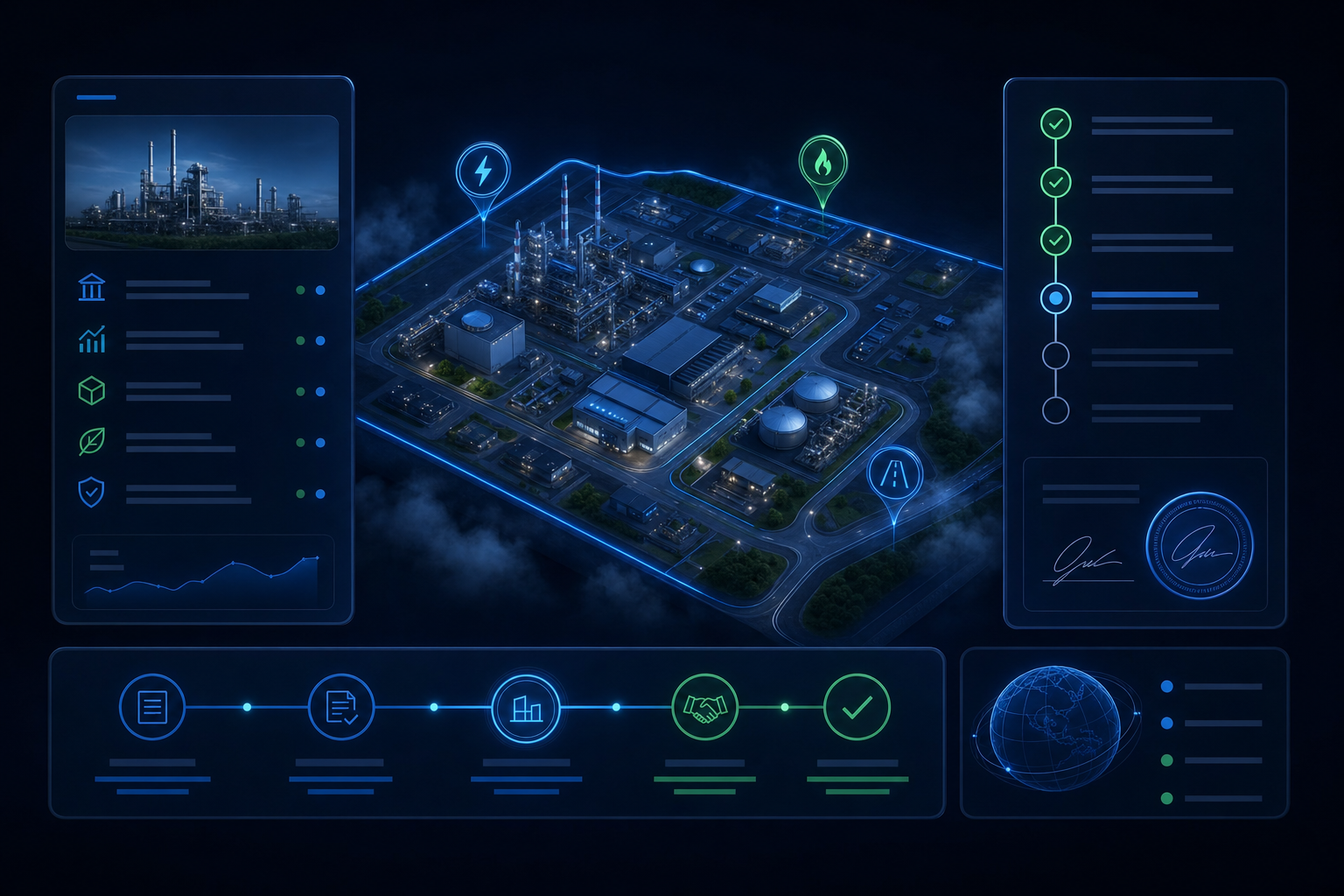
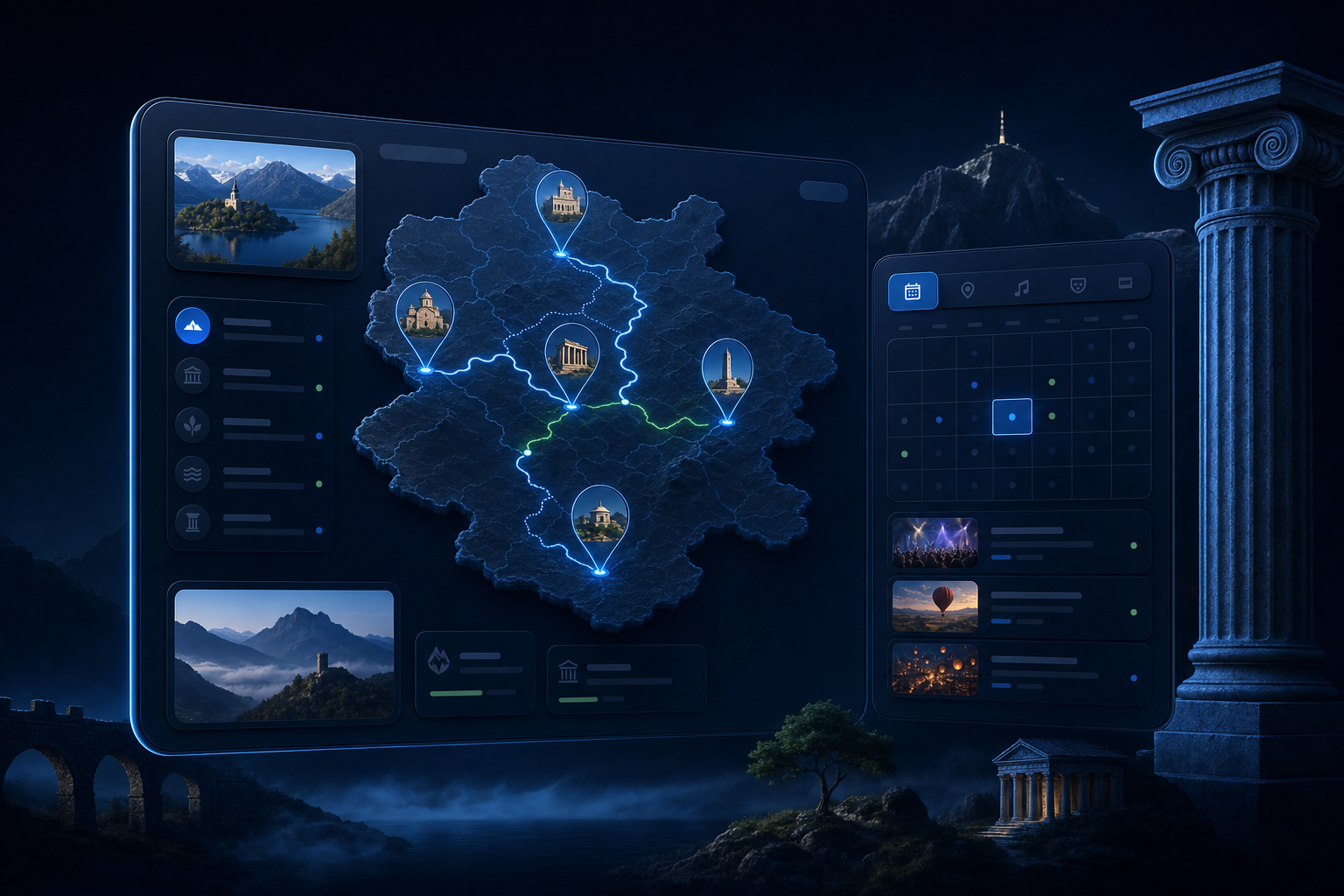
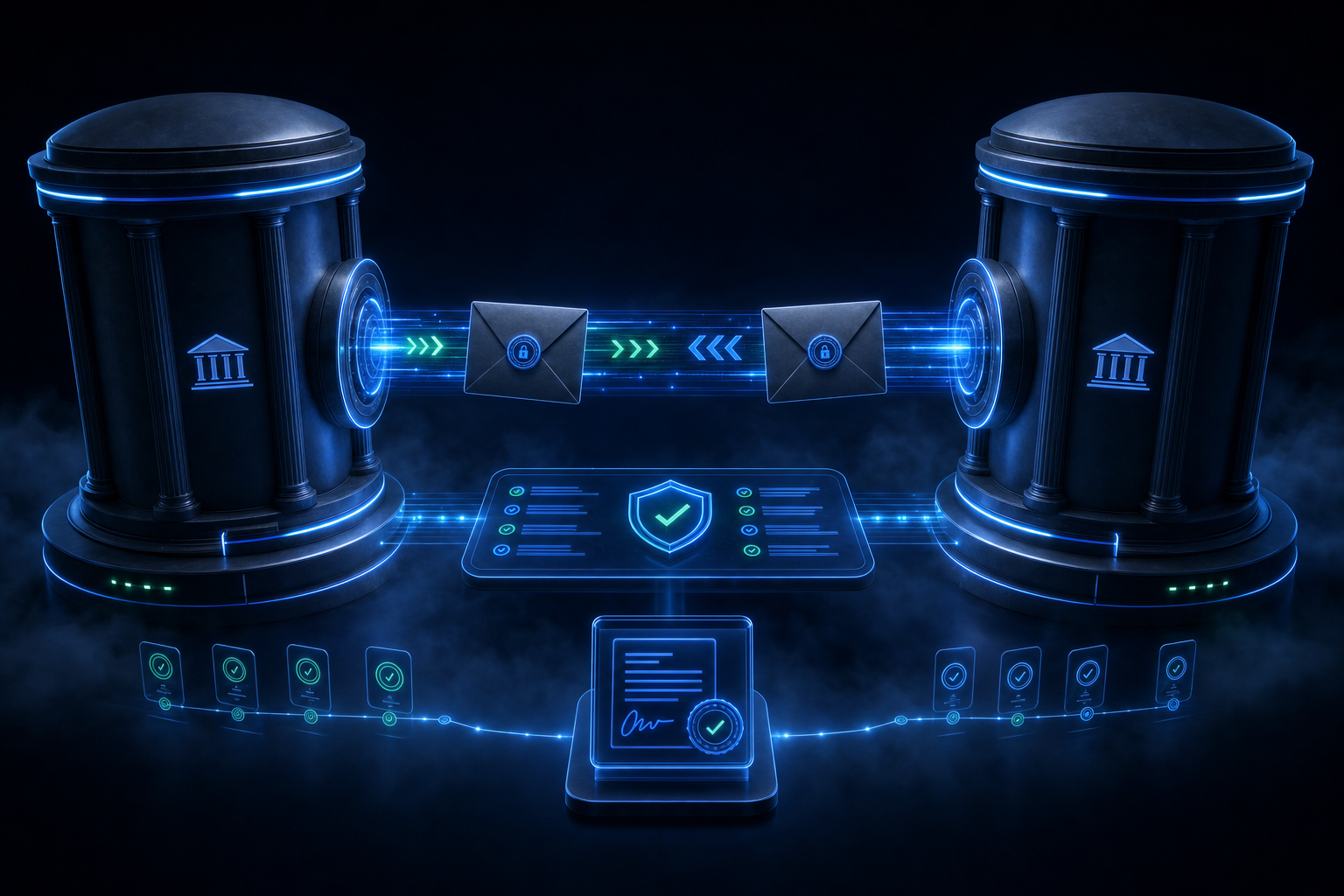
Client reviews
Client reviews
We passed the scheduled inspection without a single site remark — a first in the institution's history. The disclosure map closed every item, and the accessible version proved real, not a stub. The inspectors noted it separately.
The admin panel freed us from the news-programmer. A press release, a document or a procurement notice publishes in five minutes by an editor, the date fixes automatically. Posting deadlines stopped being a risk.
Electronic appeals unloaded the reception office. The form routes by department itself, reply deadlines are controlled by the system, the applicant sees the status. Appeals through the site now double the queue's — easier for people and for us.
Related solutions
Related solutions
Government Contract Website Development
Websites and portals under government contracts. Strict spec compliance, security requirements, standards-grade documentation and acceptance without nerves.
Government Portal Development
National-ID sign-on, e-services with statuses and an architecture sized for the peak day. A portal that passes acceptance on the first attempt.
Inter-Agency Data Exchange Integration
Registry lookups in minutes instead of official letters in weeks. A signed-message adapter, automated failure handling and the certification route walked for you.
FAQ
FAQ about government contracts
01How much does a government organization website cost?
From $10,000, launched in 8-14 weeks. That covers the disclosure structure, the accessible version to standard, appeal services, procurement, the admin panel and the data protection circuit. The range depends on the organization type and integrations. We work through public procurement and direct contracts alike.
02Which disclosure requirements do you cover?
It depends on the organization type: institutions, state enterprises and state-owned companies carry different lists. At the start we compose a disclosure map for your status: which sections are mandatory, what they must hold, how often they update. The site's structure builds from that map — and the inspection follows the same one.
03The accessible version — what does real mean?
Compliance with the accessibility standard in substance: contrast modes, scaling that doesn't break the layout, correct screen reader behavior, alternative texts. A stub button that only changes the font size is inspections' typical remark. We build accessibility as an architecture layer.
04Can we work through public procurement?
Yes, it's our profile: we bid under procurement law, work to the spec with requirement traceability, produce standards documentation and pass commission acceptance. The dedicated government contracts niche sits nearby. We'll also help shape the spec before the tender.
05Who will update the site after launch?
Your press office, without a programmer: the admin panel is built for an editor. News, documents, procurement, pages — published in minutes. Team training is part of the project. Support and development run under an SLA — government systems always have a next phase.
Let’s discuss your project
Free estimate and a proposed solution within one day.