iOS App Development
Swift where the native feel matters, and honest advice where cross-platform suffices. iOS development with App Store publication from the first review.
Goals we set for the website
- 1 review
- to App Store publication
- 60 fps
- smoothness on supported devices
- 10-16 weeks
- to the release
Sound familiar?
The App Store rejects the app again and again: Apple guidelines broken where the vendor didn't-know
The app feels alien on an iPhone: Android patterns ported as-is repel the iOS audience
The technology picked at random: native Swift where cross-platform would do — and vice versa
Silence after the release: new iOS versions break the app, the vendor vanished
iOS App Development
What's included
Native or cross
We compute by the task: animations and hardware — Swift; business logic on two platforms — Flutter. No religion
iOS design
The Human Interface Guidelines: the app feels native to the iPhone, not an Android port
The Apple ecosystem
Apple Pay, push, Sign in with Apple, widgets, App Clips: the platform's powers work for the product
A review without surprises
The guidelines checked before submission: the typical rejection causes closed in advance
Performance
Smoothness on all supported devices: 60 fps is the norm, not an achievement
Life after release
iOS betas tested before launch: Apple's autumn releases stop being an emergency
How the project runs
How the project runs
- 1-2 weeks
Discovery & prototype
User flows, a clickable prototype, an estimate and release plan
- 2-3 weeks
UI design
Screens per iOS and Android guidelines, the app design system
- 6-14 weeks
Build & testing
Sprints with demo builds every two weeks; backend and integrations in parallel
- ongoing
Release & growth
App Store and Google Play publication, monitoring, metric-driven updates
iOS is a platform with its own rules — and playing by them pays
The iPhone audience is mobile’s highest-paying, but the platform demands respect: Apple’s guidelines, the App Store review, yearly iOS versions, patterns the user considers native. An app built as-if-for-Android feels alien and collects rejections. We develop for iOS by the rules of the game: design by the Human Interface Guidelines, a review checklist before submission, beta tests. In our case, a fintech app passed the review on the first attempt — after three rejections with the previous vendor.
Native or cross: we compute, not believe
The only-Swift versus only-Flutter religious wars cost clients money. We compute by the task. Native Swift wins where complex animations, deep hardware work and uncompromised responsiveness matter. Cross-platform wins where both platforms share the business logic and the budget is sane. In the product manager’s review, an honest computation saved the startup a third of the budget: the right answer was Flutter, and we said so while losing on the invoice.
Design and the ecosystem: an app native to the iPhone
An iOS user senses portedness instantly: foreign gestures, non-native navigation, Android patterns. We design from the Human Interface Guidelines: the navigation, typography and haptics all feel native. The ecosystem works for the product: Apple Pay shortens payment to Face ID, Sign in with Apple removes registration, push and widgets bring users back. 60 fps smoothness on all supported devices is an engineering norm, not a marketing promise.
A first-attempt review: Apple’s traps closed in advance
An App Store rejection means at least a week’s delay, and serial rejections bury launches. The causes are typical: privacy manifests, subscription presentation, undocumented APIs, metadata. Our checklist closes them before submission, the disputable decisions get verified early. We run the publication turnkey: the submission, the reviewers’ questions, carrying it to release. In the founder’s review, a month’s delay versus three is-money. We agree.
Life after release and the place in the stack
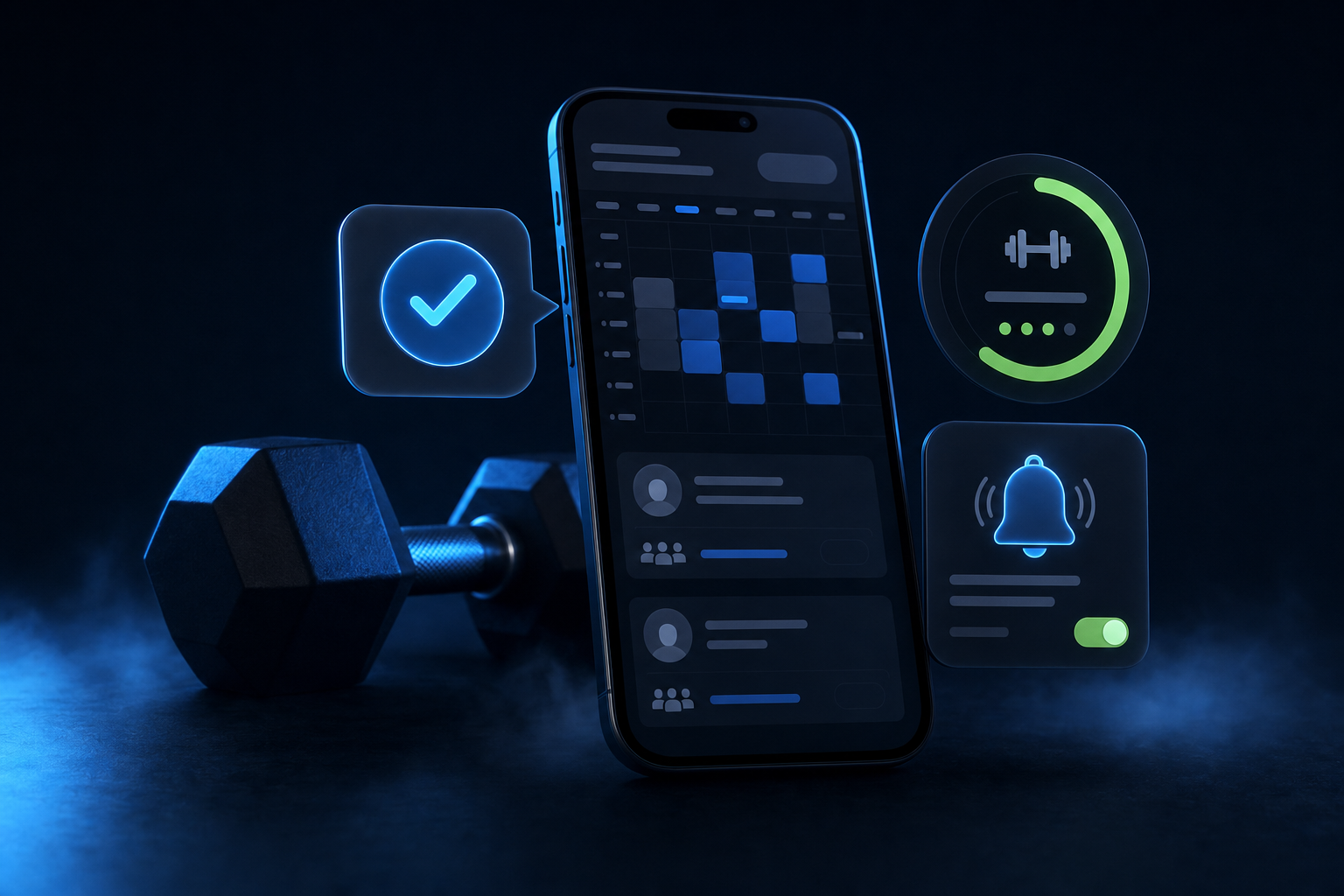
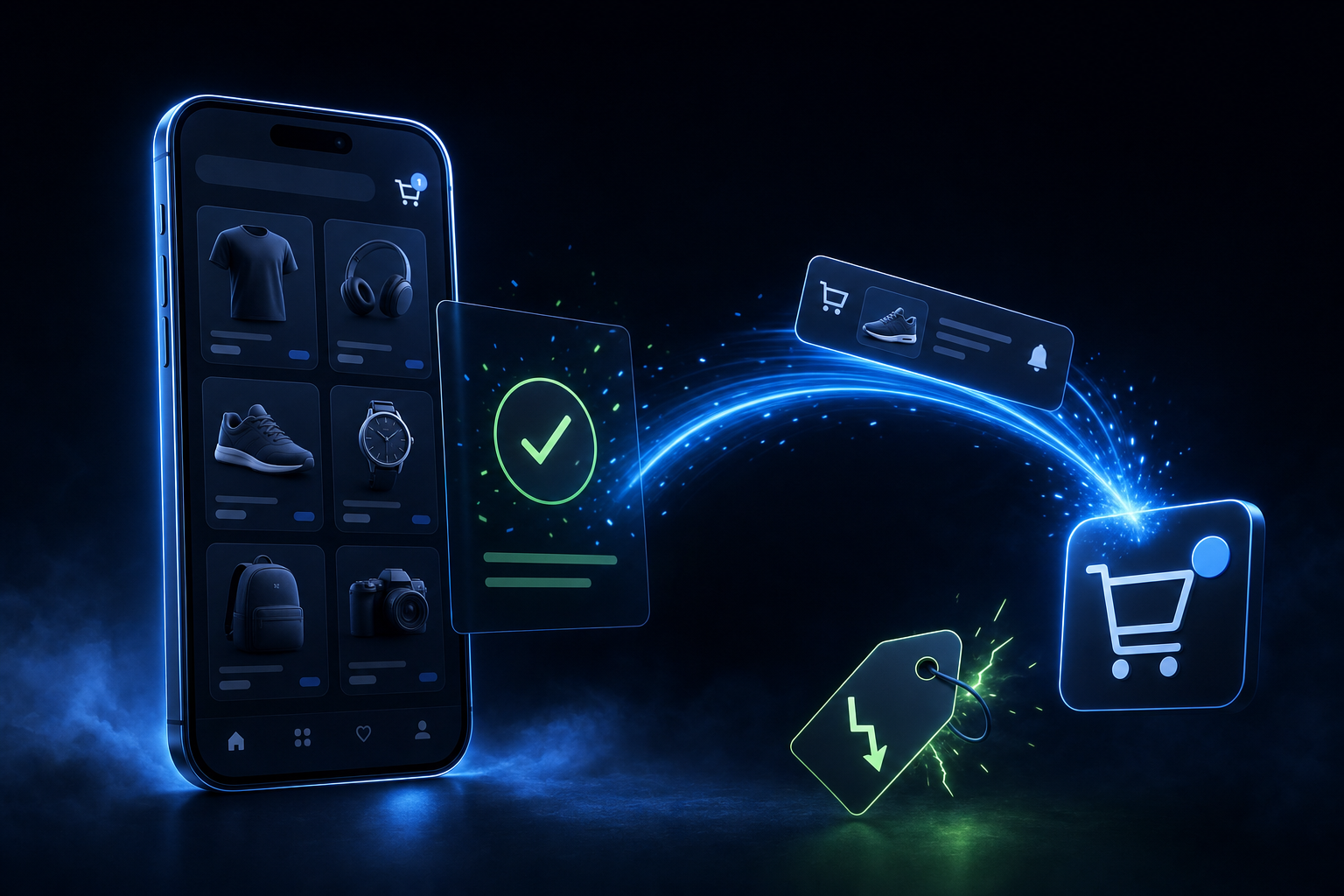
Every September Apple ships a new iOS, and unprepared apps fall. We test the betas months before the release: in the CEO’s review, the autumn update passed unnoticed for the first time. SLA support: crashes, compatibility, development. Nearby sits our mobile stack: an Android version from the same codebase, the backend and integrations, app promotion. The mobile product cases are in the trio below — from fitness to stores.
Related case study
Client reviews
Client reviews
The previous vendor collected three rejections in a row — privacy manifests, subscriptions, screenshots. These passed the review on the first attempt: Apple's typical traps are closed by a pre-submission checklist. A month's delay versus three is money.
They honestly computed two options for us: native Swift and Flutter. They showed where we'd overpay for nativeness without benefit, and we chose cross-platform — saving a third of the budget. A vendor who talks you out of the pricier option earns trust.
The autumn iOS release passed unnoticed for the first time. The app was tested on the beta a month before launch, two crashes caught in advance. Every September used to be a fire with midnight hotfixes.
Related solutions
Related solutions
Food Delivery App Development
A client app plus a courier circuit. A one-minute order, map tracking and pushes instead of retargeting. Your own channel instead of aggregator commissions.
Beauty Salon App Development
A two-tap booking with a specific stylist, pushes against no-shows and points instead of a stamped card. A salon app that brings clients back.
E-commerce Mobile App Development
One-tap checkout, pushes instead of expensive retargeting and the catalog from the same ERP. The app as the repeat-purchase channel.
FAQ
FAQ about mobile development
01How much does iOS app development cost?
From $11,000, released in 10-16 weeks. The total depends on the product's complexity and the technology choice: native Swift costs more than cross-platform when an Android version is also needed. At the briefing we'll compute both options honestly. The quote is free.
02Native Swift or cross-platform — which to choose?
It depends on the product, and we compute rather than believe. Swift wins on complex animations, hardware work and maximal responsiveness. Flutter wins when both platforms share the logic and the budget is bounded. Often the right answer is cross-platform, and we say so honestly, even losing on the invoice.
03Why does the App Store reject apps, and how do you solve it?
The typical causes: privacy manifests and tracking, subscriptions and their presentation, undocumented APIs, metadata and screenshots, product rawness. Our guidelines checklist gets verified before submission, the disputable spots resolved before the review. First-attempt publication is the norm, not luck.
04Will you help with App Store Optimization?
The base comes with the publication: the name, the subtitle, keywords, screenshots, the description. It affects both the review and the page's conversion. Deep ASO with experiments is separate work — we join on request.
05What happens after the release?
SLA support: crash monitoring, updates for new iOS versions and devices, feature development. We test iOS betas before the public launch — Apple's autumn releases pass without fires. An app is a living product, and we stay close.
Let’s discuss your project
Free estimate and a proposed solution within one day.